Introduction: Why Water Safety Matters When Traveling Abroad
When you travel to unfamiliar destinations, access to clean drinking water becomes one of your most critical health concerns. Whether you’re exploring remote regions in Southeast Asia, trekking through Central America, or backpacking across Africa, contaminated water sources pose real risks of waterborne illnesses like dysentery, typhoid, and hepatitis A. A portable water filter straw transforms this challenge into a manageable solution, allowing you to drink from virtually any freshwater source with confidence.
The statistics are sobering: approximately 2 billion people globally lack access to safe drinking water, and travelers visiting developing regions face contamination risks significantly higher than at home. Unlike relying on bottled water—which creates environmental waste and strains your budget—a quality water filter straw provides independence, sustainability, and peace of mind throughout your journey.
Understanding Water Filtration Technology: What Makes a Straw Effective
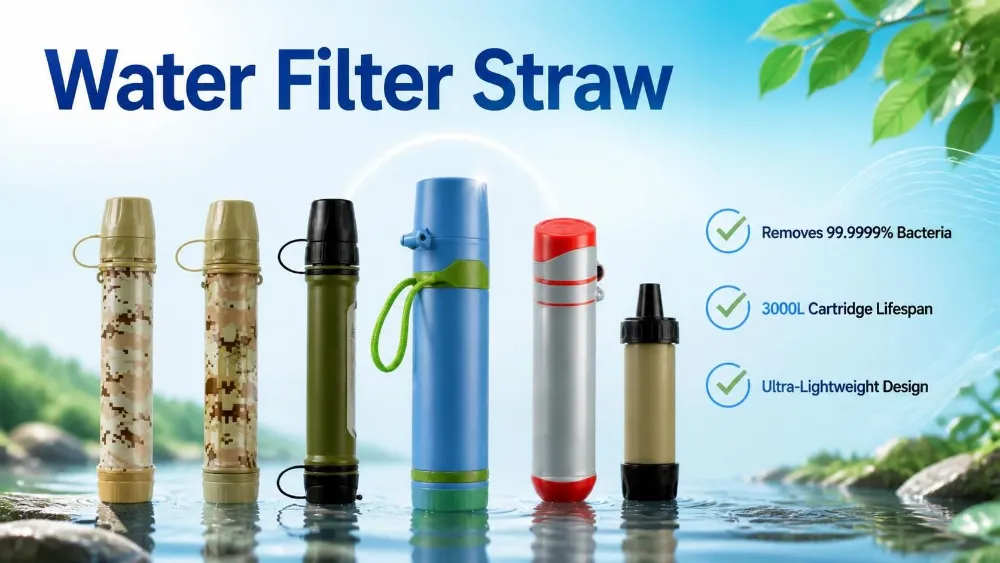
The effectiveness of a water filter straw depends primarily on its filtration membrane pore size and filtration stage. Most reliable travel filter straws employ ultrafiltration (UF) technology with hollow fiber membranes measuring 0.1 microns in diameter. This microscopic specification is crucial because it determines what the filter can remove from contaminated water.
A 0.1-micron hollow fiber membrane eliminates 99.9999% of bacteria, including dangerous pathogens like E. coli, salmonella, and cholera bacteria. It also removes protozoa such as giardia and cryptosporidium, which cause severe gastrointestinal distress. However, these straws typically don’t filter viruses or chemical contaminants, which is an important limitation to understand when planning your travels.
The flow rate—measured in milliliters per minute—determines how quickly you can drink through the straw. A straw with a maximum flow rate of 800-1000ml/min allows you to drink naturally without excessive suction effort, while slower models under 500ml/min require more vigorous sucking. For daily use during travel, a flow rate between 800-1000ml/min significantly reduces fatigue during regular hydration.
Cartridge lifespan represents another critical specification. Most premium travel filter straws last 3000-3200 liters of filtered water. For a solo traveler drinking approximately 2-3 liters daily, this translates to roughly 1000-1500 days of continuous use—covering most extended international trips without requiring cartridge replacement.
Key Features to Evaluate Before Purchasing
Portability and Weight
International travel demands every gram of weight serve a purpose. The ideal travel water filter straw weighs between 2-4 ounces and measures approximately 7-9 inches in length when stored in a pack. Lightweight design doesn’t mean compromising durability—advanced materials like food-grade plastic and reinforced membrane housing maintain structural integrity while remaining travel-friendly.
Consider how the straw will attach to your gear. Models with universal compatibility for standard water bottles and hydration bladders offer flexibility. Some premium straws connect directly to collapsible water bags or standard plastic bottles, eliminating the need for specialized containers that add unnecessary weight to your pack.
Membrane Technology and Filtration Stages
Single-stage ultrafiltration systems effectively remove bacteria and protozoa but fall short against viruses. If traveling through regions with questionable sanitation infrastructure—particularly South Asia, parts of Africa, or Central America—you may need additional protection. Verify whether your chosen straw includes pre-filtration stages that extend cartridge life by removing sediment and larger particles before the primary membrane.
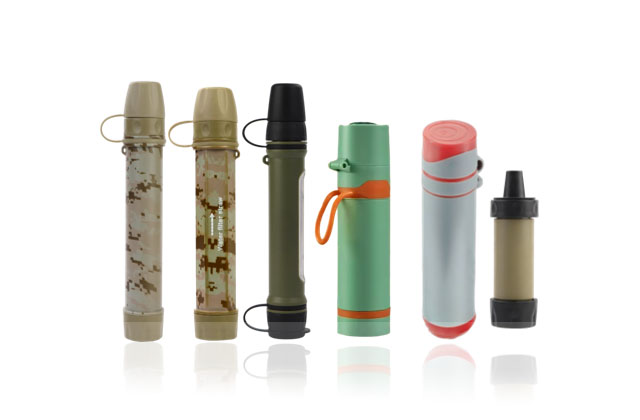
MS Technology’s water filter straw collection demonstrates this principle effectively, with models featuring 0.1-micron UF membranes that achieve the bacterial and protozoal removal standards trusted by outdoor enthusiasts and emergency responders worldwide. The consistent 3000-liter cartridge lifespan across their product range reflects engineering focused on reliability rather than marketing claims.
Durability and Build Quality
Travel exposes equipment to harsh conditions: extreme temperatures, altitude changes, accidental drops, and exposure to dust and sand. Premium water filter straws feature reinforced casings that withstand compression, impact, and temperature fluctuations without leaking or cracking. Test the straw’s connection points and valve mechanisms before departure—loose seals undermine the entire filtration system.
Specific Advantages for International Travelers
Cost Savings Over Extended Trips
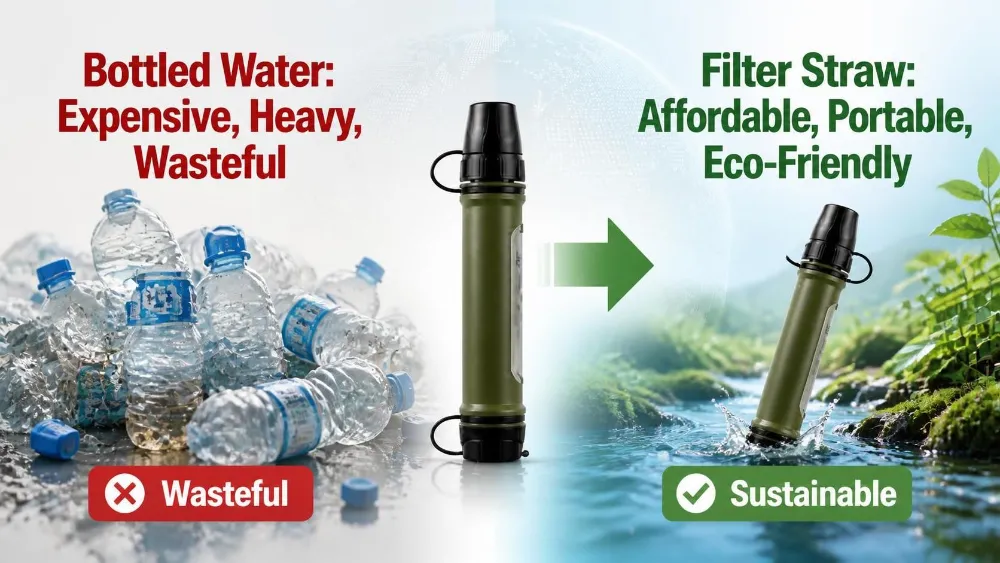
Calculating bottled water expenses over a month-long international journey reveals the financial advantage of water filter straws. In developing countries where bottled water costs $0.50-$2 per liter, a two-week trip requiring 30+ liters could cost $15-60 in bottled water alone. A quality filter straw costs $25-50 and lasts thousands of liters—delivering cost savings that accumulate rapidly, especially on longer journeys.
Environmental Responsibility
The tourism industry generates approximately 980 million tons of plastic waste annually, with single-use water bottles representing a significant portion. Choosing a reusable filter straw reduces your environmental footprint to nearly zero, allowing you to explore natural environments without degrading them through plastic waste. This resonates particularly strongly with travelers visiting sensitive ecosystems like national parks, coral reef regions, and protected wilderness areas.
Emergency Preparedness
Water filter straws serve dual purposes for travelers: primary hydration solutions and emergency backup systems. If your main water purification method fails—perhaps a larger filter pump breaks or you lose access to pre-packaged purification tablets—a filter straw provides independent protection. Many experienced travelers carry multiple straws across different packs as insurance against equipment failure.
Drinking Natural Water Sources Confidently
The psychological advantage of drinking directly from streams, lakes, and natural water sources shouldn’t be underestimated. It eliminates dependence on locating bottled water, finding filtered water stations, or relying on hotel water quality. This independence especially benefits adventure travelers, backpackers pursuing off-the-beaten-path routes, and trekkers in remote regions where water infrastructure is minimal.
Regional Considerations: Where Water Safety Risks Are Highest
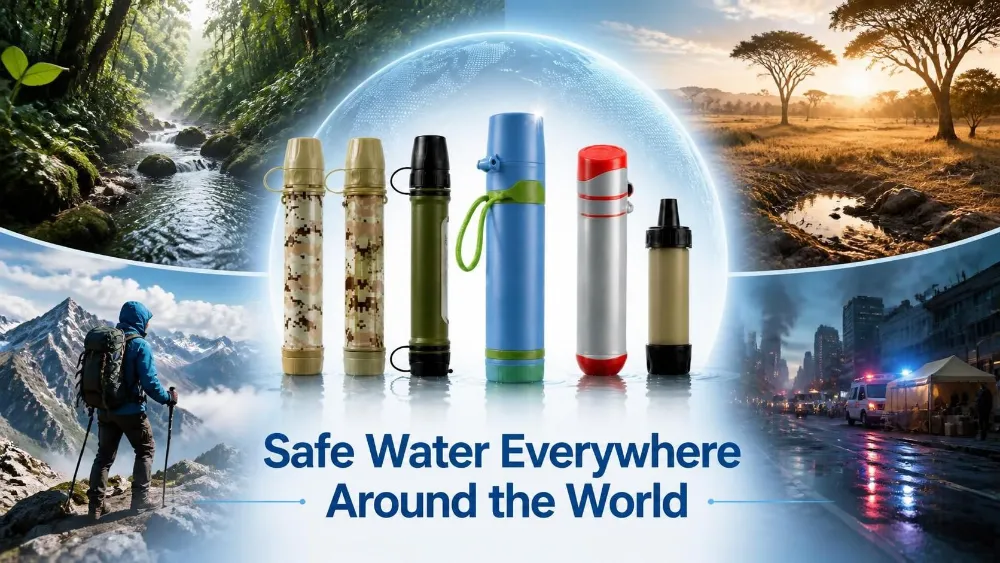
Southeast Asia, particularly Cambodia, Vietnam, and Laos, presents elevated contamination risks from agricultural runoff and inadequate treatment infrastructure. The Indian subcontinent, including India, Nepal, and Sri Lanka, requires particular caution due to parasitic contamination and chemical pollution in some water sources. Parts of Central America, East Africa, and the Middle East similarly demand strict water safety protocols.
Conversely, developed nations including Australia, New Zealand, Canada, and Northern Europe maintain water quality standards meeting or exceeding developed country norms. However, even in these regions, backcountry water sources—especially at high altitudes where giardia spreads through beaver and muskrat populations—justify carrying a filter straw as preventive insurance.
Understanding your specific destination’s water risks guides your filtration needs. Researching water safety before departure through travel health clinics, tourism boards, and recent traveler reports on platforms like Nomadic Notes and Couchsurfing forums provides destination-specific insights.
Comprehensive Comparison of Top Water Filter Straw Models
| Model Type | Cartridge Lifespan | Max Flow Rate | Membrane Pore Size | Best For | Price Range |
|---|---|---|---|---|---|
| Standard UF Straw | 3000 liters (529 gal) | 1000 ml/min | 0.1 micron | General travel, daily use | $25-$40 |
| Camouflage Design | 3000 liters | 1000-1080 ml/min | 0.1 micron | Adventure travelers, hiking | $30-$45 |
| Compact Mini Straw | 2000 liters | 500-800 ml/min | 0.1 micron | Ultra-light backpacking | $20-$35 |
| Extended Lifespan | 3200 liters | 1000 ml/min | 0.1 micron | Long-term travelers, group use | $35-$50 |
The distinction between these models involves minor variations in construction materials and maximum lifespan rather than fundamental filtration differences. Selection depends on your trip duration, group size, and weight priorities rather than filtration effectiveness.
Proper Usage Techniques for Maximum Effectiveness
Pre-Filtration Steps
Before using your water filter straw for the first time, wet the membrane by running clean water through it. This activates the hollow fibers and ensures proper seal formation. Never draw through a dry straw—the initial pull creates excessive pressure that can damage the delicate membrane structure.
When selecting water sources, prioritize clearer sources whenever possible. Filtering visibly turbid water containing high sediment loads exhausts your cartridge faster and potentially clogs the pre-filter membrane. If only muddy water is available, allow sediment to settle for 30 minutes before filtering, or pre-filter through cloth before using your straw.
During Travel Operations
Insert the straw into your water container and draw smoothly rather than aggressively. The membrane requires steady pressure to function optimally—aggressive sucking doesn’t improve flow rate and strains the filtration structure. If flow becomes slow midway through drinking, you’re likely experiencing early cartridge saturation or sediment buildup.
Maintenance and Storage
After each use, flush your straw with clean drinking water to remove residual contaminants and prevent membrane drying. This simple step significantly extends cartridge lifespan. Store in a dry environment—moisture inside the straw encourages bacterial growth between uses. Never submerge the straw in untreated water or leave standing water inside overnight.
Addressing Common Concerns and Misconceptions
Myth: All Water Filters Remove Viruses
Reality: Most portable water filter straws remove bacteria and protozoa but cannot eliminate viruses without additional treatment stages like activated carbon or chemical oxidation. Boiling water for one minute (three minutes at high altitude) remains the most reliable virus removal method. Some advanced travelers combine filter straws with portable boiling systems or chemical purification tablets for virus protection in high-risk regions.
Myth: One Filter Straw Suits All Destinations
Reality: Water contamination profiles vary significantly by region. Bacterial contamination dominates some areas, while parasitic protozoa dominate others. A 0.1-micron UF membrane handles most bacterial and protozoal threats effectively, but chemical contaminants, heavy metals, and viruses require different approaches. Researching your specific destination’s contamination profile determines whether additional purification methods are necessary.
Myth: Filter Straws Immediately Fail in Sediment-Heavy Water
Reality: While excessive sediment reduces cartridge lifespan, occasional filtering of moderately turbid water doesn’t instantly ruin your straw. However, repeatedly filtering highly sediment-laden water from rivers after heavy rainfall accelerates membrane saturation. Pre-filtering through cloth or allowing sediment settlement preserves cartridge longevity.
Practical Packing and Integration Strategies
Packing Organization
Store your water filter straw in a dedicated compartment within your daypack—easily accessible and protected from crushing. Include the straw in your hand luggage on flights, as cartridge membranes can freeze or crack in cargo holds. Many experienced travelers pack two straws in different locations: one in the daypack, one as a backup in their main luggage.
Integration with Hydration Systems
Modern water filter straws connect to standard hydration bladders and collapsible water bags, integrating seamlessly into existing travel hydration systems. This compatibility eliminates the need for specialized equipment. If using a hydration bladder, ensure the straw connection points match your system’s specifications before departure.
Weight and Space Calculations
A complete travel water filtration system—straw plus collapsible water bag—weighs approximately 4-6 ounces and compresses to pocket size. Compare this to carrying 3+ liters of bottled water (approximately 7 pounds) and the advantages become immediately apparent. Over a week-long trek, the weight differential is substantial.
Frequently Asked Questions
Can I Use a Water Filter Straw in Rivers with Strong Currents?
Yes, you can use a filter straw in moving water, but position yourself carefully to maintain balance while drawing water. Slow the flow by angling slightly upstream to reduce sediment intake. Moving water is generally safer than stagnant water due to higher oxygen levels and reduced bacterial concentration, making rivers and streams excellent water sources for filtration.
How Do I Know When My Cartridge Needs Replacement?
The primary indicator is decreased flow rate—when drawing requires noticeably more effort than initial use, replacement is approaching. Most users notice flow reduction after 2500-3000 liters. Additionally, if water begins flowing slowly immediately after flushing (when sediment isn’t the issue), the membrane has likely reached saturation. Replace the cartridge rather than forcing water through a failing membrane.
Are Water Filter Straws Effective Against Cholera?
Water filter straws with 0.1-micron hollow fiber membranes effectively remove Vibrio cholerae bacteria (0.5-3 microns in size). This makes straws reliable protection in cholera-endemic regions including parts of Africa, Asia, and the Caribbean. However, combine straw filtration with food safety practices—cholera also spreads through contaminated food sources, not just water.
Can I Share My Water Filter Straw With Travel Companions?
Technically yes, but it’s not recommended due to infection transmission risk. If sharing is necessary, ensure everyone draws clean water (not directly from contaminated sources) and allow thorough rinsing between users. Alternatively, travel groups might carry individual straws—the minimal cost and weight justify per-person units for sanitation and convenience.
What’s the Temperature Tolerance Range for Water Filter Straws?
Most premium water filter straws function effectively across 32-104°F (0-40°C) ambient temperatures. Extreme heat—above 115°F—can damage the hollow fiber membrane structure, while freezing can cause cartridge cracking. In polar or high-altitude regions where freezing occurs, store straws in insulated compartments close to body heat or inside sleeping bags.
Conclusion: Making Your Final Selection
Selecting the best water filter straw for international travel ultimately depends on matching product specifications to your specific journey requirements. Consider your destination’s water safety profile, trip duration, daily water consumption, group size, and personal weight tolerance. Most international travelers find standard ultrafiltration straws with 3000-liter cartridge lifespans and 800-1000ml/min flow rates perfectly adequate for six-month journeys.
The investment in a quality water filter straw pays dividends through health protection, cost savings, and environmental responsibility. By drinking confidently from natural water sources, you gain independence from tourism infrastructure while reducing plastic waste that damages ecosystems you traveled to experience. Your choice of water filtration systems reflects both pragmatic travel planning and commitment to sustainable tourism practices.
Begin your research with established manufacturers specializing in ultrafiltration technology—companies with 15+ years of professional membrane development deliver reliability you can depend on during remote journeys. Read recent user reviews emphasizing real-world travel conditions rather than laboratory specifications, and verify cartridge replacement costs and availability in your region before selecting your system.
Properly maintained water filter straws function reliably across thousands of miles and hundreds of countries, becoming trusted companions that enable authentic travel experiences without health compromise.