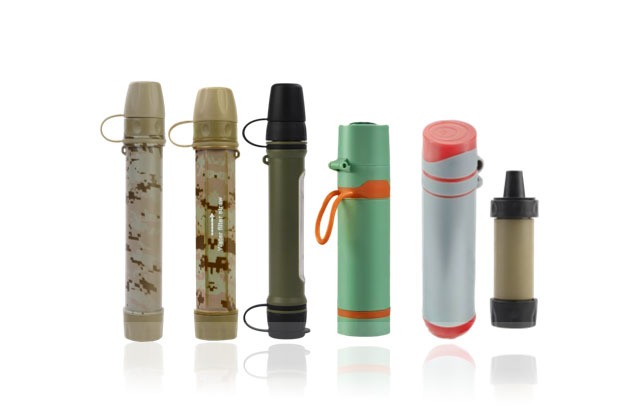
What Exactly Are Water Filter Straws and Why Do They Matter?
Water filter straws represent a revolutionary approach to portable water purification. Unlike traditional water bottles or pump filters, these straws integrate multi-stage filtration technology directly into a drinking tool. They work by drawing water through activated carbon, hollow fiber membranes, and ion-exchange resins that trap bacteria, viruses, parasites, and chemical contaminants.
The importance of water filter straws cannot be overstated in today’s world. According to the WHO, approximately 2 billion people lack access to safe drinking water, and waterborne diseases cause over 500,000 deaths annually. Whether you’re hiking in remote areas, traveling to developing nations, or preparing for emergencies, a water filter straw provides peace of mind and protection against waterborne illnesses like cholera, typhoid, and giardia.
Modern water filter straws have evolved significantly from their early iterations. Today’s models feature advanced filtration technologies that can process thousands of liters while remaining lightweight enough to fit in a backpack or emergency kit. They represent the intersection of survival preparedness, outdoor recreation, and public health awareness.
How Do Water Filter Straws Work? The Science Behind Purification
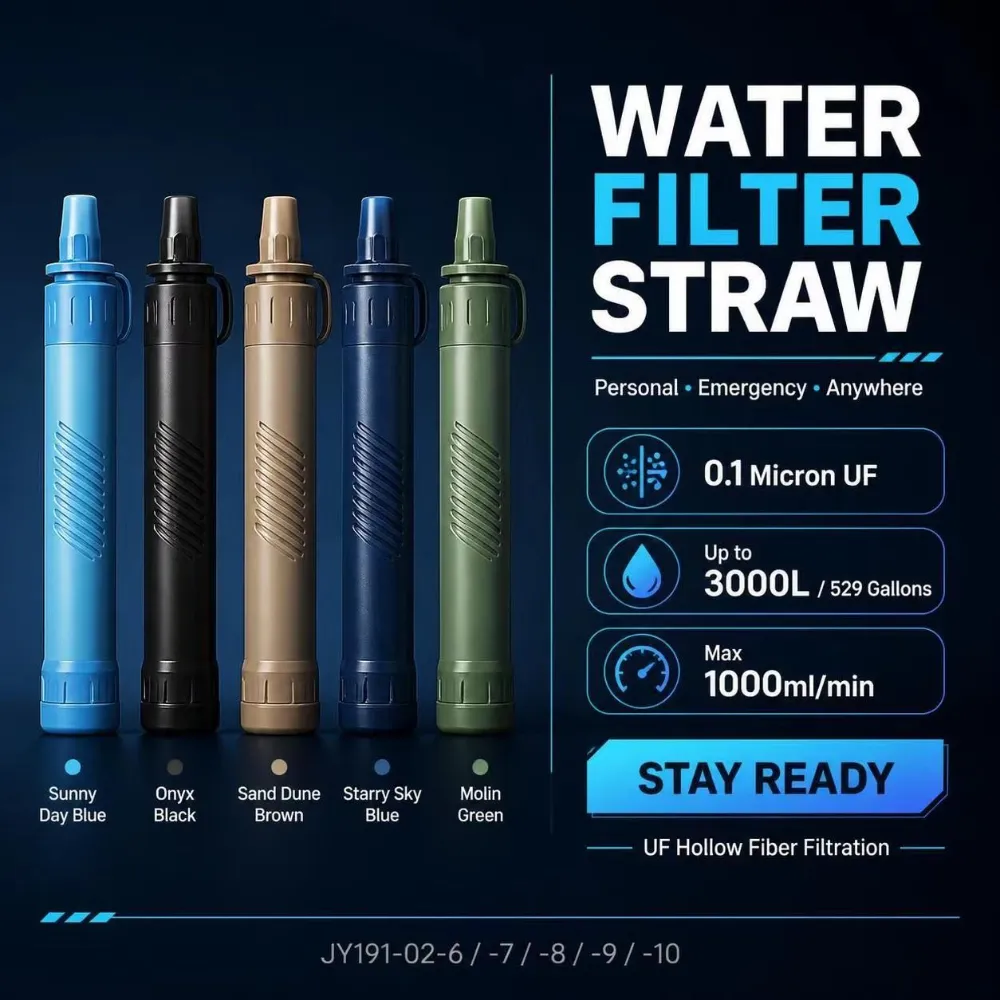
Understanding the mechanics of water filter straws helps you appreciate their effectiveness. Most premium models use a three-stage filtration system. The first stage features a mesh pre-filter that removes larger particles, sediment, and debris. This protects the more delicate components from clogging and extends the overall lifespan of the straw.
The second stage employs hollow fiber membrane technology, a breakthrough in water purification. These membranes have pores measuring 0.1 microns, small enough to block bacteria (typically 0.5-5 microns) and parasites (10-100 microns) while allowing water molecules to pass through. This mechanical filtration is highly effective against biological contaminants.
The third stage incorporates activated carbon and ion-exchange resins. Activated carbon removes chlorine, pesticides, and improves taste and odor. Ion-exchange resins tackle heavy metals like lead, mercury, and cadmium through an ion-swapping process. This chemical filtration addresses contaminants that mechanical filters cannot catch.
The result is water that meets or exceeds EPA standards for drinking water quality. Each straw can typically filter 1,000-4,000 liters depending on the model and water source quality, translating to months or years of use for individual consumers.
Comparing Water Filter Straws: Features That Matter
| Feature | Basic Models | Mid-Range Models | Premium Models |
|---|---|---|---|
| Price Range | $15-25 | $25-40 | $40-80 |
| Filtration Capacity | 500-1,000L | 1,500-2,500L | 3,000-4,000L |
| Contaminant Removal | Bacteria, Parasites | Bacteria, Parasites, Chlorine | Bacteria, Parasites, Viruses, Heavy Metals, Chemicals |
| Flow Rate | Slow (requires suction) | Moderate (easier drinking) | Fast (natural flow) |
| Weight | 2-3 oz | 3-4 oz | 4-6 oz |
| Replacement Frequency | Every 6-12 months | Every 12-18 months | Every 18-24 months |
When selecting a water filter straw, several factors deserve consideration. Filtration capacity determines how long the device will remain effective—a 2,000-liter capacity straw can provide drinking water for one person for approximately one year with regular use. Flow rate affects user experience; faster-flowing straws reduce the suction effort required, making them more comfortable for extended use.
Contaminant removal capabilities vary significantly. Basic models excel at removing bacteria and parasites, sufficient for most wilderness environments. Mid-range models add chlorine and taste improvement, ideal for urban water sources. Premium models include virus and heavy metal removal, essential for international travel to regions with chemical contamination or viral waterborne diseases.
Replacement and maintenance costs also factor into the total cost of ownership. While premium models cost more upfront, their extended lifespan often results in lower per-liter costs over time. Basic models require more frequent replacement but offer lower initial investment for budget-conscious consumers.
Real-World Benefits: Why Millions Choose Water Filter Straws
The portability advantage cannot be overstated. Weighing merely 3-6 ounces, a water filter straw fits easily into a backpack, desk drawer, or emergency kit. Unlike bulky water purification systems or heavy cases of bottled water, filter straws occupy minimal space while providing maximum utility. This makes them ideal for hikers, backpackers, international travelers, and anyone concerned about emergency preparedness.
Cost-effectiveness represents another compelling benefit. A single water filter straw, priced between $15-50, can replace thousands of dollars worth of bottled water over its lifetime. A premium straw filtering 3,000 liters at a $40 price point costs approximately 0.013 cents per liter—a fraction of bottled water’s typical $1-3 per liter cost. For families and organizations, this translates to substantial savings.
Environmental responsibility increasingly matters to consumers. Water filter straws eliminate the need for single-use plastic bottles, reducing plastic waste by thousands of bottles per person annually. This directly supports sustainability goals and reduces your carbon footprint associated with bottled water transportation and packaging.
Health and safety benefits extend beyond basic hydration. By removing waterborne pathogens, water filter straws prevent diseases like traveler’s diarrhea, typhoid, and cholera. For outdoor enthusiasts, they eliminate the risk of giardia from mountain streams. During emergencies, they provide access to potable water when municipal systems fail or become contaminated.
Psychological comfort matters too. Knowing you have reliable water purification provides peace of mind during outdoor adventures, international travel, or natural disasters. This confidence enhances enjoyment of activities and reduces anxiety about water safety.
How to Use Water Filter Straws: A Complete Guide
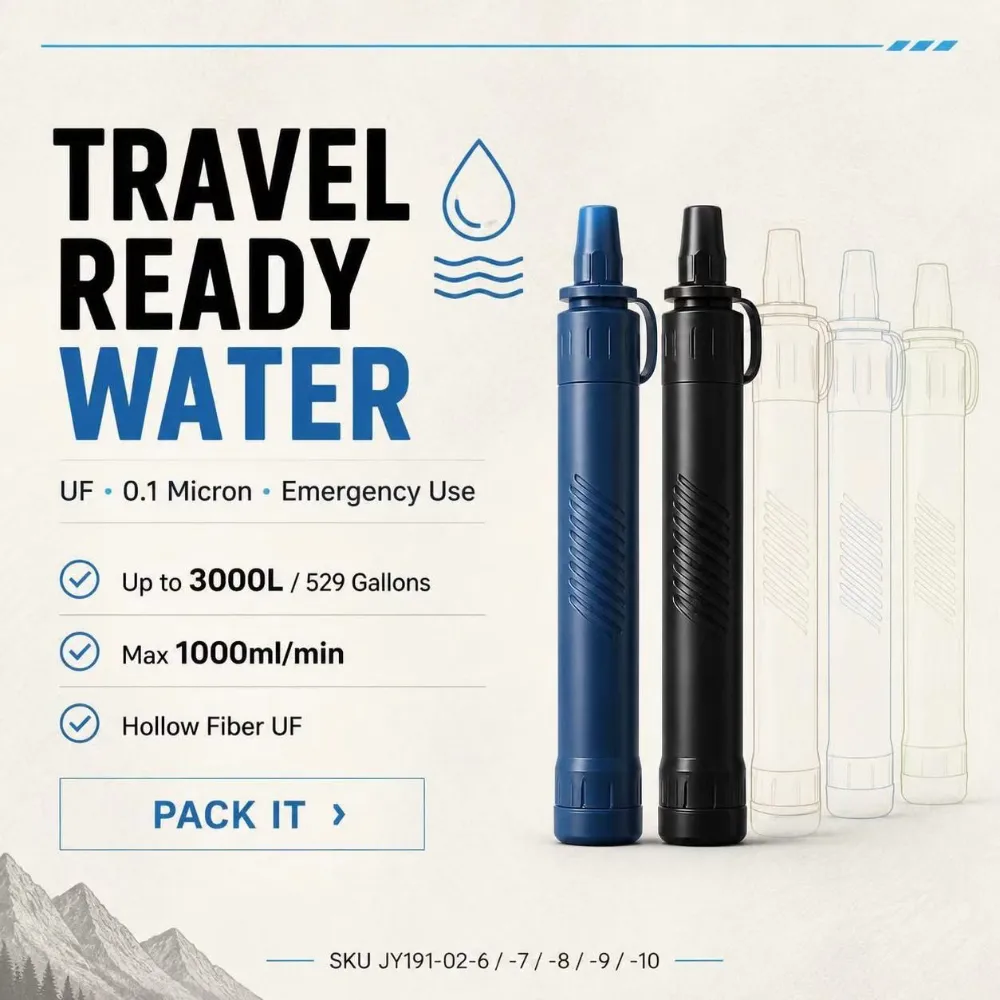
Using a water filter straw is remarkably straightforward, requiring minimal training or preparation. Begin by submerging the intake end (typically marked) into your water source. This can be a stream, lake, river, puddle, or even questionable tap water. Unlike some purification methods, water filter straws work with virtually any water source.
Apply gentle, steady suction to draw water through the straw. The first few sips may taste slightly different due to residual carbon dust from manufacturing; this is completely normal and harmless. Continue drinking normally—the filtration happens automatically as water passes through the straw’s multi-stage filters.
Flow rate will gradually decrease as the filters accumulate contaminants. This is a normal sign of the filters working effectively. When suction becomes noticeably difficult (typically after 1,000-4,000 liters depending on water quality), it’s time to replace the straw. Some models feature replaceable cartridges, while others require purchasing a new straw.
Storage requires minimal maintenance. Keep your filter straw in a cool, dry place when not in use. Some users prefer storing it in a sealed bag to prevent dust accumulation. Before extended storage periods, ensure the straw is completely dry to prevent mold growth. Most filter straws maintain effectiveness for 3-5 years even when stored unused.
For maintenance, rinse the external surfaces occasionally with clean water. Avoid submerging the entire straw in standing water for extended periods, as this can reduce filter lifespan. Some premium models include cleaning brushes or backflushing capabilities to extend filter life.
Choosing the Right Water Filter Straw for Your Needs
Identifying your specific needs guides the selection process. Casual hikers and campers who primarily use established water sources benefit from basic or mid-range models. These provide excellent protection against bacterial and parasitic contamination common in wilderness environments while keeping costs manageable.
International travelers visiting developing nations should prioritize mid-range to premium models. These offer enhanced virus and chemical removal, protecting against regional water quality variations and unfamiliar pathogens. The slightly higher cost provides invaluable protection against traveler’s diarrhea and serious waterborne illnesses.
Emergency preparedness requires premium models with maximum capacity and comprehensive filtration. These serve as reliable backup systems during natural disasters, civil unrest, or infrastructure failures. The investment pays dividends if emergencies occur, potentially saving lives.
Consider your household size and consumption patterns. Single individuals need less capacity than families. Frequent travelers benefit from premium models’ extended lifespan, while occasional users can choose economical options. Evaluate both upfront costs and long-term value when making your decision.
Research brand reputation and customer reviews before purchasing. Established manufacturers with 4.5+ star ratings and thousands of reviews typically offer better quality control and customer support. Warranty coverage, replacement policies, and responsive customer service indicate manufacturer confidence in product quality.
Frequently Asked Questions
Premium water filter straws with hollow fiber membranes can remove 99.99% of viruses, including those causing hepatitis A and rotavirus. Basic models may not remove viruses effectively; check specifications before purchasing if viral protection is important for your destination.
Lifespan depends on filtration capacity and water quality. Most straws filter 1,000-4,000 liters before requiring replacement. For average daily use, this translates to 6-24 months. Heavy use in contaminated water reduces lifespan, while clean water sources extend it.
Yes, water filter straws are safe for children. They require no chemicals, electricity, or complicated operation. Teach children proper submersion technique and remind them not to drink from untreated sources while learning. Parental supervision is recommended for young children.
Most water filter straws are designed for cold water only. Hot water can damage the hollow fiber membranes and reduce filter effectiveness. If using hot water sources, allow water to cool first, or choose models specifically rated for warm water use.
No, standard water filter straws cannot remove salt from seawater. They’re designed for freshwater sources. Saltwater desalination requires specialized equipment like reverse osmosis systems. Some models can handle slightly brackish water but shouldn’t be used with ocean water.
Water filter straws are portable, lightweight, and work with any water source. Water filter bottles offer larger capacity and easier handling but are bulkier and less convenient for hiking. Choose straws for maximum portability; choose bottles for home or base camp use.
Replace your straw when suction becomes noticeably difficult, water flow slows significantly, or you’ve reached the manufacturer’s liter capacity. Some premium models include flow indicators. If water tastes different or smells unusual, replacement is overdue.
Empty water filter straws are TSA-approved and can be carried through security. However, don’t fill them before passing through security checkpoints. Once through security, you can use them at water fountains or refill stations to avoid purchasing expensive airport bottled water.