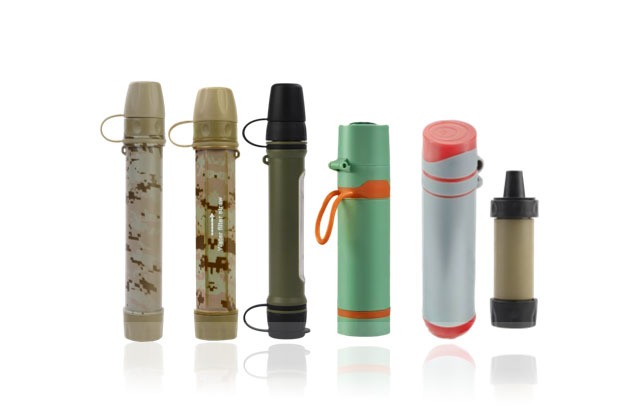
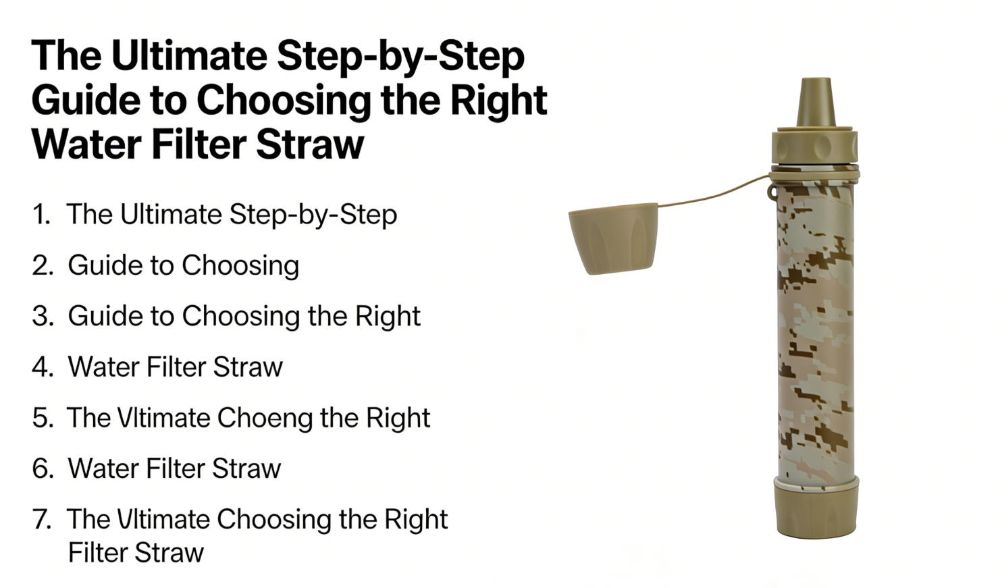
Imagine you’re stuck in a storm with no clean water in sight. One wrong sip from a puddle could make you sick for days. That’s why a water filter straw is a must-have tool for any emergency kit, travel bag, or hiking pack. These small devices let you drink straight from rivers, lakes, or taps without worry. In this guide, you’ll get a clear path to pick the best water filter straw for your needs, from basic pathogen removal to advanced features that fit your lifestyle.
Section 1: Understanding Water Filter Straw Technology and Filtration Levels
Water filter straws have changed how we stay safe in the wild. They pack powerful tech into a simple tube. Let’s break down the basics so you can make smart choices.
How Do Water Filter Straws Work? (Mechanism Overview)
Most water filter straws use tiny tubes called hollow fiber membranes. These fibers have pores that block germs but let water flow through. Some add activated carbon to trap bad tastes and smells. You suck water through the straw, and the filter does its job in seconds. Think of it like a sieve that catches the bad stuff while letting the good pass.
The process starts with pre-filters to grab larger bits like dirt. Then, the main membrane handles smaller threats. Activated carbon layers polish the water at the end. This setup keeps things light and easy to carry.
Differentiating Between Pathogen and Chemical Filtration
Pathogens are tiny bugs in water that cause illness. Bacteria like E. coli get trapped by filters rated at 0.2 microns or smaller. Protozoa such as Giardia need at least 0.3 microns to stay out. Viruses are trickier; not all straws catch them, so check for models with extra virus protection.
Chemical filtration targets pollutants like pesticides or chlorine from farm runoff. Activated carbon blocks these well, but it won’t stop germs. In clear mountain streams, pathogen focus works fine. But near farms or cities, you need both to avoid stomach issues or worse.
Pick based on your spot. If you’re in remote woods, pathogen removal is key. For areas with runoff, add chemical filters to your list.
Measuring Effectiveness: Micron Ratings and Certifications
Micron ratings show pore size in the filter. A 0.1-micron filter catches almost everything, down to viruses. Larger 1-micron ones handle bigger particles but miss viruses. Lower numbers mean better protection, but slower flow.
Look for NSF or EPA certifications. These prove the straw meets safety tests. Brands like LifeStraw often carry them, building trust. Without certs, you risk unproven claims. Always verify labels for real peace of mind.
Section 2: Assessing Your Primary Use Case and Environment
Your needs shape the perfect water filter straw choice. Think about where and how you’ll use it. This step matches tech to real life.
Emergency Preparedness vs. Outdoor Recreation
In emergencies like floods, you need fast access to water. A high-flow straw shines here, letting you drink quick without hassle. Short bursts of use mean less worry about long life.
For backpacking trips, durability matters more. You might filter gallons over days, so pick one with a long lifespan. Weight counts too; lighter straws ease the load on long hikes.
Take a hurricane: you’d pull from puddles with chemicals. In backcountry, it’s clear streams with germs. Match your straw to the scenario.
Evaluating Water Source Contamination Risks
Start with a quick check of your area. Cloudy water often hides sediment and bacteria. Stagnant ponds breed protozoa like Giardia.
- Look for signs of animal waste near streams.
- Check for farm fields upstream; they add chemicals.
- In cities, old pipes might leak metals.
This list guides your filter level. High-risk spots demand 0.2-micron or better. Low-risk areas let you save on basics.
Test local water reports online. Apps show contamination hot spots. Knowledge here prevents bad picks.
Flow Rate and Ease of Use Considerations
Thicker filters slow the suck. A 1-liter-per-minute rate feels natural, like a soda straw. Dense ones drop to half that, but they catch more threats.
Ease matters for all ages. Kids or older folks need simple designs with wide mouths. No twists or pumps that confuse in panic.
Try one with a bite valve for steady flow. It beats choking on air bubbles. Practice at home to build confidence.
Section 3: Key Hardware Specifications for Comparison
Specs turn options into the right fit. Compare these to avoid regrets. Focus on what lasts and works for you.
Filter Lifespan and Total Volume Capacity
Lifespan shows how much water it cleans before replacement. Basic straws handle 1,000 liters; pro models hit 5,000 or more. That’s years for occasional use.
Recreational ones suit day trips at 500 liters. Heavy users need bigger capacity to cut replacements.
Estimate your needs: trips times days times daily gallons. If you drink 2 liters a day on a 5-day hike, aim for 10+ liters per trip. Add buffer for safety.
Materials, Durability, and Weight
BPA-free plastic keeps it light at under 2 ounces. Some use food-grade silicone for flex. Steel adds toughness but ups weight to 4 ounces.
Light wins for hikers; pack every gram. Tough casings resist drops in rough spots. Check for chew-proof tips if kids use it.
Balance trade-offs. A 1-ounce plastic straw folds easy but might crack. Steel endures but tires your back.
Backwashing and Maintenance Requirements
Backwashing reverses flow to clean clogs. Use the included syringe or tap water. Do it after each use to keep flow strong.
Skip this, and pores block fast. It cuts life by half. Some straws self-clean with shakes.
Routine checks prevent fails. Store dry to avoid mold. Clean with mild soap, never bleach.
Section 4: Advanced Features and Accessory Integration
Extra perks boost value. See if they fit your routine. These take basic straws to pro level.
Integrated Pump Systems vs. Direct Suction Straws
Direct suction straws weigh nothing and sip easy. They’re great for quick drinks on the go. No batteries or parts to break.
Pumps push water faster and fill bottles. They handle deeper sources like ponds. But they add bulk and cost.
Choose suction for simplicity in light packs. Pumps suit groups or base camps.
Compatibility with Hydration Reservoirs and Bottles
Many straws fit standard bottles with screw tops. Universal adapters link to Nalgene or CamelBak. This turns any container into a filter.
Some clip to packs for hands-free sips. It saves time on trails.
Check thread sizes before buy. Mismatch wastes money. Test fit at stores if possible.
Dual-Stage Filtration Systems (Straws with Carbon Filters)
Dual systems pair fibers for germs with carbon for taste. Water comes out fresh, not earthy. It beats single-stage for daily use.
Carbon also cuts odors from algae. Pathogen removal stays strong.
Look for replaceable cartridges. They extend life without full swap. Ideal for urban preppers.
Section 5: Final Selection and Purchase Checklist
Narrow it down with this checklist. Reviews and budget seal the deal. Get ready to use it right.
Cross-Referencing Needs with Product Reviews
Skip star ratings alone. Dig into comments on real flow after weeks. Longevity tales show true value.
Search for your use: “best water filter straw for camping flow rate.” User photos beat stock images.
Filter fakes by date and detail. Recent, specific reviews guide best.
Setting a Realistic Budget for Quality Filtration
Basics start at $15 for 500 liters. Mid-range at $25 offers 2,000 liters with certs. Pros hit $50 for pumps and extras.
Cheap skips safety; no certs mean risks. Spend $20-30 for reliable pathogen block.
Value beats low price. A $25 straw lasts trips; $10 one clogs fast.
Storing and Testing Your New Water Filter Straw
Keep it in a cool, dry spot. Avoid freezes that crack fibers. Seal in bags to block dust.
Prime by sucking clean water first. It wets the filter and clears air. Run a liter through.
Test in emergencies? No. Practice with tap water weekly. Flush if it tastes off.
Always start with known clean sources. This builds trust before the wild.
Conclusion: Securing Your Water Independence
Choosing a water filter straw means matching filtration power, capacity, and ease to your world. From emergency kits to trail packs, the right one keeps you hydrated and healthy. Key features to hunt: solid certifications for trust, long lifespan for value, and simple maintenance to stay ready.
Grab one today and test it out. Your next adventure—or unexpected storm—will thank you. Stay prepared, stay safe.