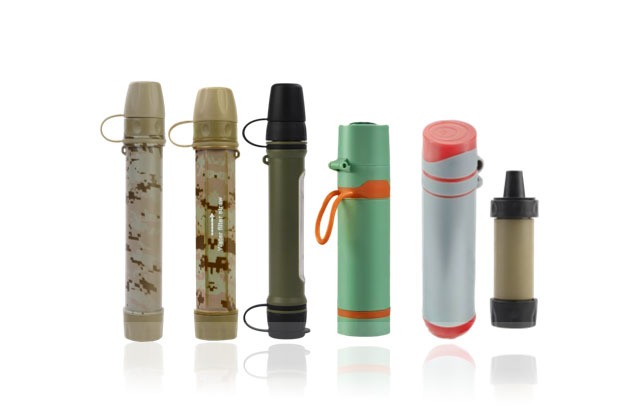
Every year, over 2 billion people drink water that’s full of germs. One bad sip from a stream or lake can lead to stomach pain, fever, or worse during a hike or trip. You don’t have to worry about that anymore. The membrane solutions water filter straw changes everything. It lets you suck clean water straight from any source. These straws use tiny tubes called hollow fiber membranes. They block bad stuff while letting water pass through fast.
This tech beats old methods like boiling or pills. You get safe water right away, no wait. It’s perfect for backpacking, travel, or emergencies. In the next sections, we’ll break down how it works and why it’s a must-have for your gear.
Understanding Membrane Technology in Personal Water Filtration
Membrane tech makes portable water filters simple and strong. These straws rely on a physical block, not chemicals. You can trust them for quick hydration in tough spots.
How Hollow Fiber Membranes Function
Hollow fiber membranes look like thin, empty straws bundled together. Each fiber has walls with small holes. These pores measure about 0.1 to 0.2 microns across. That’s tiny enough to stop germs but big enough for water to flow.
Water pushes through the pores under pressure from your mouth or a squeeze. Dirt and bugs get trapped outside the fibers. This setup beats chemical treatments that take time to work. No taste changes either. You drink pure water in seconds.
Think of it like a screen door for your water. It keeps out the flies but lets air in. Membrane solutions water filter straws use this to make safe sips easy.
Pathogen Removal Efficacy: What They Actually Block
High-quality membrane straws catch most harmful bugs in water. They block bacteria like E. coli and Salmonella, which cause gut issues. Protozoa such as Giardia and Cryptosporidium also get stopped. These parasites lead to long sickness if you drink untreated water.
Many brands meet EPA standards for clean water. Tests show they remove 99.9999% of bacteria and 99.9% of protozoa. That’s solid proof for hikers and travelers.
But they miss some things. Viruses are too small for the pores, so they slip through. Heavy metals and salts stay in the water too. For full safety, boil the filtered water or add a drop of bleach in risky areas. This combo covers all bases.
Evaluating the Best Membrane Solutions Water Filter Straws
Picking the right straw matters for your needs. Look at how long it lasts and how easy it is to carry. We’ll cover what to check before you buy.
Key Performance Indicators (KPIs) for Comparison
Start with filter life. Good ones handle 1,000 liters or more before you need a new one. That covers weeks of heavy use on a trail.
Flow rate comes next. Aim for 500 to 1,000 milliliters per minute. Slow flow frustrates you when you’re thirsty after a long walk. Fast ones let you drink or fill a bottle quick.
Weight seals the deal for portability. Top picks weigh under 2 ounces. Light gear keeps your pack from getting too heavy.
Here’s a quick checklist:
- Filter life: Over 1,000 liters?
- Flow rate: At least 500 ml/min?
- Weight: Less than 2 oz?
- Price: Under $30 for value?
Compare these to find your match. A high flow rate changes your whole trip.
Durability, Materials, and Ergonomics
Build quality keeps your straw working in rough spots. Look for BPA-free plastic that won’t crack if you drop it. Food-grade silicone seals prevent leaks.
Most straws let you take them apart for cleaning. Check the housing for strong threads. Gaskets need to stay tight after wet adventures.
Ergonomics affect comfort. A 10-inch length fits most bottles. The mouthpiece should feel soft, not hard on your teeth. Test the bite valve for easy sipping.
Inspect for damage before each use. A small tear means it’s time to replace. Solid materials mean years of reliable service.
Real-World Applications: From Backcountry to Emergency Preparedness
These straws shine in daily adventures and big crises. They pack small and work without fuss. You’ll see why pros swear by them.
Thru-Hiking and International Travel Use Cases
On a thru-hike like the Appalachian Trail, water stops are key. A membrane solutions water filter straw lets you sip from creeks without stopping. No pumps or bags needed. Ultralight hikers love the simple design.
Travel to places like Southeast Asia? Tap water there often carries risks. Use the straw on street vendors’ sources or hotel sinks. It beats buying bottled water every time.
Gravity filters suit groups or camps. But for solo trips, the straw wins. Pump filters work for lakes, yet they’re bulky. Your choice depends on the pack weight you want.
One hiker shared how it saved her day in the Rockies. She drank from a muddy stream and stayed healthy. No gut troubles the whole trip.
Disaster Relief and Survival Scenarios
In floods or quakes, clean water runs out fast. Add a membrane straw to your go-bag. It needs no power or tools. Just suck and drink from puddles or rain.
FEMA recommends portable filters for kits. These straws fit that bill perfectly. They handle dirty floodwater better than basic tablets.
Store them right to keep them ready. Avoid freezing temps that crack the fibers. Room temp in a dry spot works best.
Keep one in your car too. Road trips or breakdowns mean access to streams. It’s peace of mind for the unexpected.
Maximizing Lifespan and Maintenance of Your Straw Filter
Care for your straw to get the most from it. Simple steps keep it flowing strong. Follow these to avoid early replacement.
Proper Backflushing Techniques
Backflushing clears out trapped dirt. It keeps the pores open for better flow.
Here’s how to do it right:
- Fill the provided syringe with clean water.
- Attach it to the outlet end of the straw.
- Push water through in short bursts, 10-20 times.
- Shake gently to loosen bits.
- Repeat if flow seems slow.
This pushes junk back out of the fibers. Do it after each use in murky water. It prevents clogs from building up. Your straw lasts longer this way.
Miss this step, and flow drops fast. Regular cleaning makes a big difference.
Storage Protocols to Prevent Biofilm Growth
After use, dry the straw fully. Slime forms if moisture stays inside. Hang it open in air for a few hours.
For long storage, rinse with clean water. A weak bleach mix kills germs, but rinse well after. Follow the maker’s rules to avoid damage.
Keep it in a cool, dry place. Heat warps plastic. No direct sun either.
These habits stop mold and keep it fresh. You’ll have a ready filter when you need it most.
Conclusion: Investing in Instant Water Security
Membrane solutions water filter straws bring safe water anywhere you go. They block key threats with easy tech. Portability, quick use, and strong removal make them top picks.
Grab one for your next hike or kit. It could keep you healthy in a pinch. Don’t wait for trouble—add instant purity to your plans today.