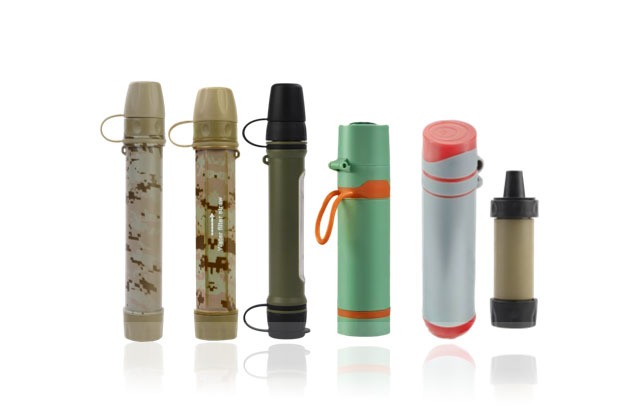
Over 2 billion people around the world lack safe drinking water. Contaminated sources often hide dangers like bacteria, viruses, and parasites that cause serious illness. A simple sip from a dirty stream or tap can lead to traveler’s diarrhea or worse. That’s where the water purifier straw steps in. This tiny tool lets you drink safely from almost any source. It’s light, easy to pack, and works fast. In this guide, we’ll cover how these straws function, their benefits, and tips to pick the right one for you.
Understanding How Water Purifier Straws Work: The Science of Safe Hydration
Water purifier straws turn risky water into something you can trust. They use layers of filters to block out germs and chemicals. You just suck through the straw like a regular one, but cleaner water comes out the other end. These devices rely on physical barriers and smart materials to do the job. Let’s break it down step by step.
Advanced Filtration Media Explained
Most water purifier straws use hollow fiber membranes as their main filter. These are thin tubes with tiny holes, about 0.1 to 0.2 microns wide. Anything larger than that gets stuck outside. Bacteria measure around 0.2 to 10 microns, so they can’t pass. Protozoa like Giardia and Cryptosporidium, which cause stomach bugs, are even bigger at 4 to 20 microns. This physical block keeps them out without chemicals. It’s like a super-fine sieve that traps the bad stuff.
Hollow fibers can handle thousands of gallons before they clog. Some models add electropositive media to grab viruses, which are smaller than 0.1 microns. But not all straws do this—check the specs. This tech makes the straw a reliable pick for quick filtration.
Chemical and Ion Exchange Layers
Many straws include extra layers beyond the basic membrane. Activated carbon grabs chemicals like chlorine and pesticides. It works by adsorption, where molecules stick to its surface. This also cuts bad tastes and smells, so water feels fresh. Ion exchange resins target heavy metals such as lead or arsenic. They swap harmful ions for harmless ones, like sodium.
These layers add up to cleaner water. Without them, you might filter out germs but still taste the chemicals. Good straws combine both for full protection. Think of it as a team effort: the membrane blocks the big threats, while carbon and resins handle the sneaky ones.
Flow Rate and Lifespan Metrics
Flow rate tells you how fast water moves through the straw. Top models push out 1 to 2 liters per minute. That’s enough for a quick drink or to fill a bottle. Slower ones might take 30 seconds per liter if the water is dirty. Clean sources speed things up.
Lifespan varies by brand. Basic straws last for 100 to 500 liters. Premium ones handle up to 1,000 liters or more. Factors like water quality affect this—muddy rivers shorten life. Always follow cleaning instructions to get the most out of it. Track your usage to know when to replace.
Top Use Cases for Personal Water Filtration Straws
You might need a water purifier straw for different reasons. It fits hikers, travelers, or anyone prepping for tough times. Each scenario has its perks. Let’s see where it shines most.
Emergency Preparedness and Disaster Relief
When power goes out or pipes break, tap water turns risky. Floods or storms often spread bacteria like E. coli. A water purifier straw gives you instant access to safe drinks. No waiting for boiling or tablets to work.
Groups like FEMA suggest personal filters for kits. They beat tablets because you filter right away, no mixing needed. Keep one in your car or go-bag. In a pinch, it could save a life. Just test it on clean water first to get the feel.
International Travel and Adventure Tourism
Traveling abroad means dodging bad water in many spots. Think Mexico beaches or Asian cities with iffy taps. A straw lets you sip from hotel sinks or street fountains. Skip bottled water waste and save cash.
Use it for natural sources too, like mountain springs on tours. But avoid super murky spots—pre-filter if possible. Pack it in your daypack for easy access. Travelers report fewer tummy issues with these tools. It’s peace of mind in unknown places.
Hiking, Camping, and Off-Grid Exploration
Out in the woods, rivers look clear but hide germs. Animals and runoff add risks. A water purifier straw makes stream water drinkable on the spot. No heavy gear to carry.
For best results, let sediment settle first. Or use a cloth to strain big particles. This keeps the membrane clear. Campers love how it fits in a pocket. On long treks, it cuts the worry of dehydration. Pair it with a bottle for steady supply.
Comparing Key Features: What to Look for Before You Buy
Picking a water purifier straw means checking key specs. Not all are equal. Focus on what matches your needs. We’ll compare the must-haves.
Filtration Effectiveness and Certifications
Look for EPA or NSF certification. These test for 99.99% removal of bacteria and protozoa. A filter just traps dirt; a purifier kills or blocks pathogens. Straws without virus protection work for most U.S. hikes but not everywhere.
Read labels for log reduction—4-log means 99.99% gone. Brands like LifeStraw meet these. Avoid cheap knockoffs without proof. Certified ones give real safety.
Durability, Materials, and Portability
Top straws use BPA-free plastic or food-grade silicone. They withstand drops and rough use. Weight stays under 2 ounces, perfect for packs.
Size packs small—most fit in your palm. A carrying case or cap protects the tip from dirt. Look for bite valves that don’t leak. These details make it last through adventures.
Ease of Use and Maintenance
Drawing water should feel natural, like sipping a thick shake at first. Practice helps. Backflushing clears clogs—blow air through the clean end.
Do this after each use or when flow slows. Some models have built-in cleaners. Simple ones need just water. Easy care means you use it more.
Beyond the Straw: Water Purification Systems for Groups and Extended Trips
A single straw suits solo use. For bigger needs, other options fit better. We’ll touch on when to go beyond.
When a Straw Isn’t Enough: Gravity Filters and Pump Systems
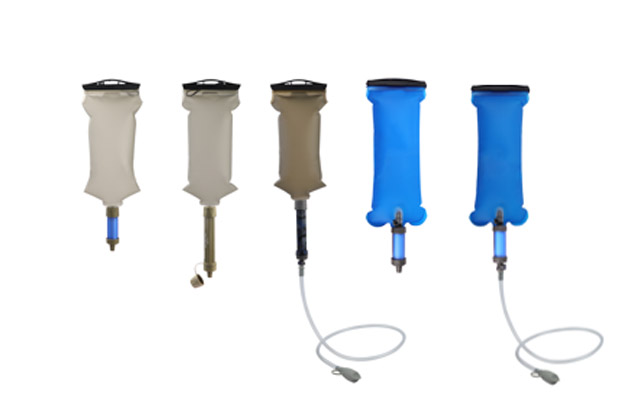
Straws handle one person fine. But for families or camps, gravity filters win. Hang a bag, and clean water drips out—up to 2 gallons an hour. No sucking required.
Pumps push water through faster for groups. They suit long trips with shared loads. If you’re with four people, upgrade here. Straws still back you up personally.
Water Purification Tablets vs. Physical Filtration
Tablets dissolve and kill germs, including viruses. They’re light and cheap but take 30 minutes to work. Water tastes chemical after.
Straws give instant, better flavor. They miss viruses, though. Use tablets for global travel where viruses lurk. Mix methods for full cover. Beginners often start with straws for ease.
Conclusion: Your Essential Layer of Water Safety
Water purifier straws offer portable peace of mind. They filter fast, pack light, and protect from hidden dangers. Key takeaways: choose certified models for proven results, maintain with regular cleaning, and match to your activity.
Don’t leave home without one. Whether hiking trails or facing emergencies, it’s your simple shield. Grab a reliable water purifier straw today—stay hydrated and healthy wherever life takes you.