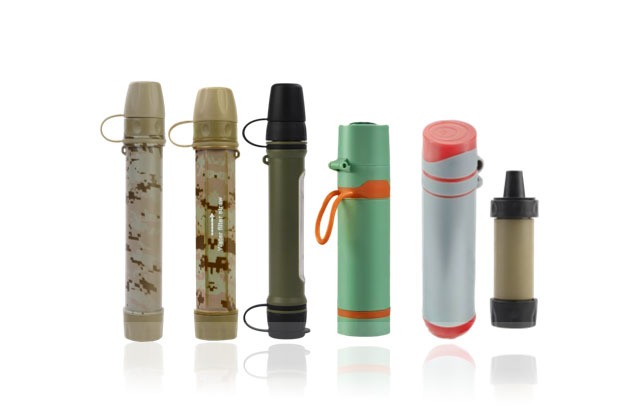
why a water filter bag matters and how this guide will help If you value reliable access to clean drinking water, a water filter bag offers a compact, versatile solution for homes, campsites, travel kits, and emergency readiness.
What is a water filter bag, and how does it work?
- A water filter bag is a portable filtration device designed to remove contaminants from water using a bag-like pouch that holds the water and hosts a filtration medium. Depending on the design, it may rely on microfiltration membranes, activated carbon, ceramic elements, or combination media to reduce sediments, sediment-associated turbidity, chlorine taste, and some pathogens. For travelers and hikers, this device provides a lightweight, space-efficient option that can be paired with a container or used directly as a drinking bag. The principle is straightforward: water passes through a barrier that traps particles and reduces undesired substances, resulting in safer, clearer liquid. Practical use cases include “camping water bag filter” scenarios where you need fast pre-filtration before boiling or further treatment.
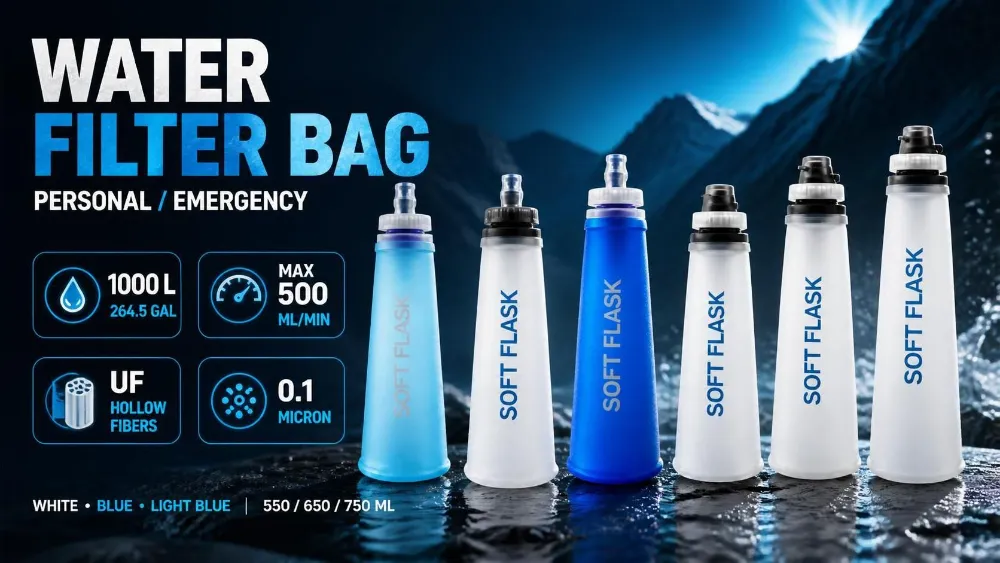
Core features to look for when evaluating a water filter bag
- Filtration media: carbon, ceramic, microfiltration, or hollow fiber membranes; each has strengths and trade-offs for taste, chlorine removal, and pathogen reduction.
- Filtration capacity and flow rate: how much water you can treat per minute and the total volume before replacement or cleaning is needed.
- Material quality and durability: BPA-free plastics, food-grade silicone seals, and rugged stitching contribute to lifespan and safety.
- Portability and weight: a compact, lightweight bag is ideal for backpacking and travel.
- Cleaning and maintenance requirements: ease of backflushing, availability of replacement media, and cleaning frequency.
- Compatibility with other systems: some bags are designed to work with standard hydration bladders or water bottles, which increases versatility for different activities. In practice, a well-rounded model supports use in a “DIY water purification bag” workflow, where you combine the bag with additional steps such as pre-filtering with a cloth, settling, or boiling for safety, depending on the water source.
How to choose the right water filter bag for your needs
- Define your use case: daily urban use, camping and backpacking, or emergency kits all have different priorities.
- Consider water sources you expect to encounter: tap water in the city, river or stream water in the backcountry, or evacuated water after a flood.
- Evaluate the filtration level: if you’ll encounter sediment-heavy or turbid water, you may need a model with a pre-filter or a larger pore size for the initial step.
- Assess maintenance practicality: look for replaceable cartridges or media, clear cleaning instructions, and readily available replacement parts.
- Check for certifications and safety notes: third-party testing for microbial reduction and contaminant removal contributes to trust and EEAT signals.
- Budget considerations: higher durability, better filtration media, and simpler maintenance can justify a higher initial cost if you plan to rely on the bag in critical scenarios.
- Practical clues from reviews: look for real-world feedback about leak resistance, flow consistency, ease of cleaning, and compatibility with containers.
How to use a water filter bag effectively in real-world scenarios
- Step-by-step setup: rinse the bag if recommended, connect to a bottle or cup if possible, and ensure all seals are tight before pouring contaminated water.
- Filtration workflow: pour water into the bag, wait for gravity- or pressure-assisted filtration, and collect the filtered water in your container.
- Post-filtration steps: consider secondary treatment such as boiling or chemical disinfection if you’re uncertain about microbial content or if the source water is murky.
- Cleaning after use: rinse with clean water, remove any debris, and air-dry before seal-storage to prevent mold growth.
- Troubleshooting common issues: reduced flow might indicate a clogged media or filter saturation; leaks usually point to a gasket or seam problem; persistent off-taste can suggest media saturation or inadequate pre-filtration. By following a systematic workflow, you can maximize effectiveness and minimize the risk of back contamination or odor issues.
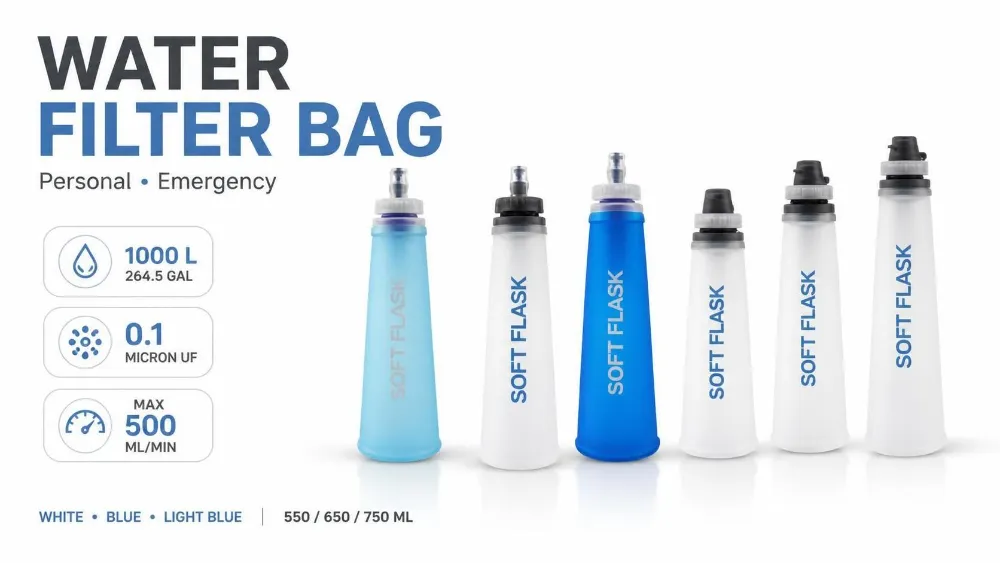
Best practices for maintenance and safety
- Regular inspection: check seals, seams, and connectors for wear or cracks; replace or repair components as needed.
- Proper storage: dry, ventilated storage to avoid mold and bacterial growth; avoid prolonged exposure to direct sunlight if material is UV-sensitive.
- Media replacement schedule: follow the manufacturer’s guidance; some bags require periodic replacement of cartridges or media, especially after filtering high-turbidity sources.
- Cleaning routines: rinse with clean water after each use, avoid leaving dirty water in the bag for extended periods, and use mild soap if permitted by manufacturer guidelines.
- Safety considerations: never rely on a single method for water safety; combine filtration with boiling or chemical treatment when source water quality is uncertain.
- Environmental care: be mindful of waste from filters or cartridges and dispose of them in accordance with local guidelines.
Myth-busting and common misconceptions
- Myth: All water filter bags remove bacteria and viruses completely. Reality: performance varies; many bags reduce contaminants but may require additional disinfection for high-risk water sources.
- Myth: If the water looks clear, it’s safe to drink after filtration. Reality: clear water can still harbor dissolved chemicals and microbes; always consider source risk and supplementary treatment as needed.
- Myth: All bags are equally durable in rugged outdoor conditions. Reality: some models are designed for travel, others for extreme expeditions; assess material quality and test under anticipated conditions.
Durability and care for long-term reliability
- Material selection matters: high-quality plastics, food-grade elastomers, and reinforced seams extend lifespan.
- Cleaning and drying techniques: avoid harsh abrasives, ensure complete drying to prevent microbial growth, and store in a breathable pouch rather than sealed in a damp environment.
- Replacement planning: budget for spare seals, gaskets, or cartridges; a small maintenance kit can save you in the field.
- Routine audits: set a quarterly or semi-annual check-in to assess performance, replace any worn parts, and confirm that the bag still meets your needs.
Case studies and use-case scenarios
- Urban emergency kit: in cities prone to water outages, a compact water filter bag combined with a small kettle can provide a safe hydration option when taps run dry.
- Weekend backpacking: for a family or group, a larger-capacity bag and quick-connect hoses can support multiple water points without frequent refills.
- International travel and adventure trips: lightweight bags that fit inside a daypack or carry-on, paired with a travel-friendly water source, can significantly improve resilience.
- Camping with kids: kid-friendly models with clear instructions and easy-to-use features make learning safe water handling a family activity.
Choosing between a standalone water filter bag and a multi-use hydration system
- Standalone water filter bag advantages: dedicated filtration capability, often broader compatibility with various containers, and straightforward maintenance.
- Multi-use hydration system advantages: integrated with bladders or bottles, simpler for day-to-day use, reduced setup time.
- Decision tips: weigh the importance of filtration efficiency, portability, and how you will access water sources in your plans. If you expect frequent water sourcing in diverse environments, a robust water filter bag plus supportive components may be the best fit.
- Practical integration ideas: pair with a lightweight bottle or collapsible pouch, and maintain a simple cleaning cycle to keep sanitation high.
Troubleshooting quick-reference guide
- Low flow through the bag: check for media clogging, ensure the water source isn’t overly turbid, and confirm seals are intact.
- Off taste or odor after filtration: consider media saturation, backflush if supported, and possibly extend pre-filtration steps or post-treatment.
- Leaks at seams or fittings: inspect for hairline cracks or worn gaskets and replace as needed.
- Noisy operation or unusual sounds: check for air pockets, ensure all connections are properly seated, and confirm there are no loose components.
- Inconsistent performance across batches: ensure you’re using clean water sources for rinsing and that the bag is correctly assembled per manufacturer instructions.
Best practices for field testing and real-world validation
- Record keeping: maintain a simple log of water source, filtration results, and any maintenance performed to track performance over time.
- Real-world validation: test filtration from diverse water sources, including rivers, lakes, and tap water, to understand how your bag performs in common scenarios.
- Community feedback: gather input from other users in your hiking group or household and use it to refine your setup and maintenance plan.
- Safety-first mindset: always treat uncertain water as potentially unsafe; combine filtration with boiling or chemical disinfection when needed.
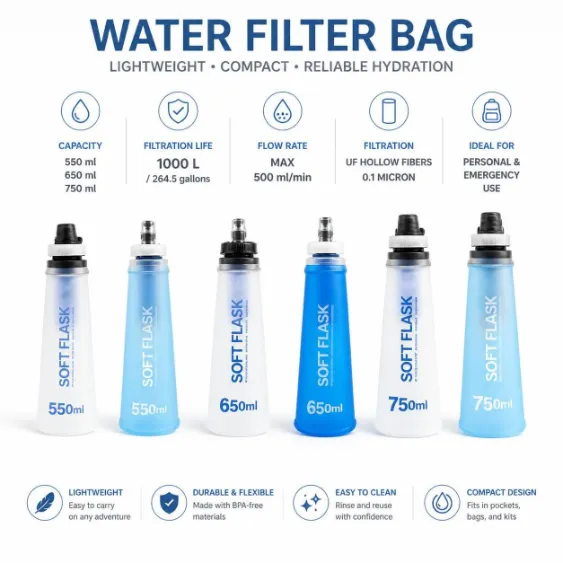
FAQ: Common questions about water filter bags
Q: What is a water filter bag, and how does it work?
A: A water filter bag is a portable filtration device that uses media such as carbon, ceramic, or microfiltration membranes to remove particulates, improve taste, and reduce certain contaminants; water passes through the bag’s media, which traps impurities and produces safer drinking water.
Q: Can a water filter bag remove all bacteria and viruses?
A: Some bags offer significant microbial reduction, but performance varies by design; for high-risk sources, you should use additional disinfection steps (boiling or chemical treatment) to achieve safer outcomes.
Q: How do I know which water filter bag to buy for camping?
A: Consider the water sources you expect (streams, lakes, or tap water), the bag’s filtration media, flow rate, durability, weight, maintenance, and the ability to use with your existing containers; prioritize models with clear cleaning instructions and reputable safety testing.
Q: How often should I replace the filter media in a water filter bag?
A: Replacement frequency depends on usage, water quality, and the media type; follow the manufacturer’s schedule, and inspect media for signs of wear or reduced performance during field use.
Q: Can a water filter bag be used for everyday home use?
A: Yes, for some households a water filter bag can serve as an additional filtration step, particularly during outages or when municipal water quality is questionable; however, always verify compatibility with local water safety guidelines and consider backup methods for comprehensive treatment.
Q: How do I clean and store a water filter bag after use?
A: Rinse thoroughly with clean water, remove any debris, allow to dry completely, and store in a dry, ventilated area away from direct sunlight; follow the manufacturer’s cleaning guidance to preserve seals and media.
Q: Are there any safety concerns with using a water filter bag?
A: Safety concerns mainly involve proper maintenance, avoiding cross-contamination, and ensuring the water source isn’t contaminated beyond the bag’s remediation capacity; combine filtration with boiling or chemical disinfection when in doubt.
Q: Can I use a water filter bag with hot water?
A: Many bags are designed for room-temperature or cool water; check the product’s temperature range and avoid exposing materials beyond their rated limits to prevent damage or chemical leaching.
Q: What maintenance is required to prolong a water filter bag’s life?
A: Regular inspections of seals and seams, routine cleaning after use, media replacement when needed, and proper drying and storage will help extend the life of your water filter bag.
Q: How does a water filter bag compare with a straw-style filter?
A: A water filter bag generally handles larger volumes with more filtration stages, can be used with various containers, and may offer higher flow rates, whereas a straw filter is more compact and designed for drinking directly from a source, typically with a lower filtration capacity.
Q: Is a water filter bag suitable for emergencies or disaster kits?
A: Yes, a water filter bag adds resilience to emergency kits by enabling safer hydration from uncertain sources; pair it with a portable stove or boiling method for robust emergency water strategy.
Q: Can I use the same water filter bag for both outdoor adventures and home use?
A: Many bags are designed for cross-application, but always verify that media, seals, and materials meet safety expectations for both environments; consider dedicating a bag for home use if you have sensitive water needs.
Q: How should I dispose of old or exhausted filter media?
A: Follow local guidelines for waste disposal; many media types can be recycled or disposed of in household waste, but some components may require special handling.
Q: Are there lightweight models suitable for ultralight backpacking?
A: Yes, several models emphasize minimal weight and compact form, prioritizing essential filtration capability, quick setup, and reliable performance for ultralight itineraries.
Q: What maintenance steps should I perform before starting a multi-day trip?
A: Rinse or pre-fill the bag, check seals, test fit with your bottle or bladder, carry spare seals if possible, and ensure you have a plan for cleaning and storage during the trip.
Q: Where can I find reliable product reviews for water filter bags?
A: Look for independent outdoor gear sites, user communities, and manufacturer testing data; cross-reference multiple sources to assess real-world performance and durability.
Q: Can I use a water filter bag with seawater or extremely polluted water?
A: Seawater and highly contaminated sources require specialized treatment; most consumer-grade water filter bags are not designed for seawater desalination or heavy chemical contamination, and attempting to do so can be unsafe.
Q: What is the typical price range for a good water filter bag?
A: Prices vary based on media type, materials, and capacity; expect a broad range, with quality models offering durability and reliability as a worthwhile investment for regular use.