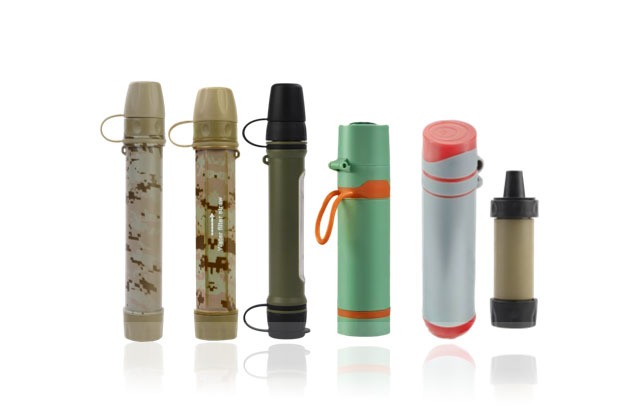
You’re deep in the woods on a weekend hike, and your water bottle runs dry. The nearest stream looks tempting, but is it safe? In moments like these, a water filter drinking straw can save the day by turning sketchy sources into drinkable water right away.
These handy tools pack light in your backpack. They weigh next to nothing and fit anywhere. Perfect for camping trips, emergencies, or travel in places with iffy tap water.
This guide walks you through everything. You’ll learn step by step how to get the most from your straw. We cover setup, use, cleaning, and fixes for common problems. By the end, you’ll handle safe hydration like a pro, no matter where life takes you.
Understanding Your Water Filter Straw Technology
Water filter drinking straws rely on smart tech to clean water fast. They use tiny barriers to block out germs. This makes them a go-to for quick sips in the wild.
Most models feature hollow fiber membranes. These act like super-fine sieves. Pores measure about 0.1 to 0.2 microns wide. That size traps nasty bugs without slowing you down too much.
How the Filtration Mechanism Works
The magic happens inside the straw’s core. As you suck water through, it passes over these fibers. Bacteria like E. coli get stuck—99.9999% removal rate in top brands. Protozoa such as Giardia and Cryptosporidium meet the same fate.
Think of it like a bouncer at a club. Only clean stuff gets past. The fibers create pressure that pushes water molecules through while holding back the bad guys.
But not every threat vanishes. These straws shine against biological hazards. Stats show over 80% of waterborne illnesses come from such pathogens, per CDC data.
Mention limitations—what typical straw filters do not remove (heavy metals, chemicals, viruses) to set realistic expectations.
Keep expectations real. Straw filters skip heavy metals like lead or arsenic. Chemicals from farms or factories slip by too. And viruses? They’re too small for most models—hollow fibers miss those tiny invaders.
Pair your straw with other tools for full protection in polluted spots. This setup avoids false confidence. Always test local water if you can.
Key Components and Maintenance Checkpoints
Break down the parts. The mouthpiece sits at one end—soft and easy to grip. Filter housing forms the main body, tough plastic that guards the fibers.
Down at the intake, a pre-filter catches big chunks like sand or leaves. Some have an extension tube for deeper dips.
Before each outing, give it a once-over. Check seals for cracks or wear. A loose fit lets dirty water sneak in.
Provide actionable tips on visually inspecting the integrity of the housing seals before each use.
Twist the ends gently. Look for gaps or discoloration. Wipe with a clean cloth if needed.
Store it right after checks. This habit keeps your gear reliable. One quick look can prevent big headaches later.
Step-by-Step: Effective Water Collection and Filtration
Getting water right starts with smart choices. Rush into bad sources, and you’ll clog your tool fast. Take time to scout.
Flowing streams beat still ponds every time. Moving water picks up less junk. In a pinch, even puddles work if clearer options fail.
Selecting the Safest Water Source
Aim for clear, running water first. Rivers or springs often stay cleaner. Avoid areas near farms or roads—runoff brings extras you don’t want.
Test by smell and sight. No foul odors or foam? Good sign. If it’s your only choice, settle for less but plan better next time.
Data backs this: WHO reports that source quality cuts contamination risks by half. Your straw handles the rest.
Include a crucial warning about avoiding highly turbid (muddy) or chemically contaminated sources, regardless of filtration capabilities.
Steer clear of thick mud or oily sheens. Turbid water overloads the filter quick. Chemical spots, like old dump sites, overwhelm any straw.
Even with tech, these overwhelm the system. Skip them or pre-treat if possible. Safety first—your health depends on it.
Proper Suction and Drinking Technique
Dip the intake end below the surface. Keep it steady, away from the bottom muck. Now, sip slow and even.
Pull with steady breaths. No hard yanks—they stress the fibers. Water flows clean in seconds.
Practice at home first. Fill a bowl and try. Builds confidence for real adventures.
Provide an actionable tip on priming the filter—drawing a small amount of water first to ensure the membrane is saturated before proper drinking begins.
Prime it every time. Suck a bit out, then spit. This wets the insides fully.
Dry starts clog easy. Priming takes seconds but saves flow. Do this ritual, and your straw lasts longer.
Follow these steps in order:
- Find and check your source.
- Submerge the intake.
- Prime with a test sip.
- Drink steady until full.
This method ensures pure hydration every pull.
Essential Maintenance for Optimal Performance and Longevity
Clean gear performs best. Skip this, and your straw fails when you need it most. Make habits now.
Backflushing clears the gunk. Storage keeps it fresh. Together, they extend life to thousands of liters.
Backflushing: The Most Critical Cleaning Step
Debris builds up inside after use. It slows the pull. Backflushing reverses the flow to flush it out.
This step fights clogs from silt or tiny particles. Do it right, and flow stays strong.
Brands claim up to 1,000 gallons per filter with good care. Neglect it? Half that lifespan.
Provide clear, actionable instructions on how to backflush using the provided syringe or an alternative clean water source, emphasizing that this should be done after every significant use or when flow rate decreases.
Grab the syringe that came with it. Fill with clean water—tap works if safe. Attach to the mouthpiece end.
Push firmly in short bursts. Water shoots backward through the fibers. Repeat until it runs clear.
No syringe? Use a clean bottle. Squeeze water through the intake side. Aim for 10-20 pushes per session.
Time it after big uses, like a full day’s hike. Or if sucking feels tough. This keeps your water filter drinking straw ready always.
Proper Storage and Drying Protocols
Wet filters breed mold. Dry it out fully before packing away. Air it in the sun if you can.
Hang the straw upside down. Let gravity pull moisture free. Wait at least an hour.
Offer specific storage tips: using the protective cap, storing in a cool, dry place, and ensuring the straw is never stored damp.
Snap on the cap tight. Shields from dust and bumps. Tuck into a mesh bag for airflow.
Pick a spot away from heat or damp. Garage shelf? Fine. Avoid the humid bathroom.
Check monthly in storage. A quick shake confirms no hidden wet spots. This simple routine prevents gross buildup.
Troubleshooting Common Water Filter Straw Issues
Problems pop up. Flow dies, or taste turns off. Don’t toss it—fix it first.
Most fixes take minutes with basic steps. Learn these, and you’re set for any glitch.
Low Flow Rate or Difficulty Drawing Water
Clogs cause this most. Outside junk blocks the intake. Inside buildup slows the rest.
Start simple. Rinse the end under clean water. Shake off loose bits.
If that fails, backflush hard. Double the pushes from normal.
Detail the troubleshooting sequence: check the intake end first, then perform a rigorous backflush.
Step one: Inspect the tip. Clear visible debris with a soft brush.
Step two: Prime again. Sometimes air pockets hide.
Step three: Backflush deep. Use more water if needed.
Ninety percent of slow flows solve this way. Patience pays off.
Filtering Water with High Sediment Load (Turbidity)
Muddy water challenges any filter. Sediment packs the pores fast. It cuts life short.
The straw grabs germs fine. But dirt? It just bulks up inside.
In tests, high turbidity halves filter time. Pre-steps change that.
Provide an expert-level tip: advise users to pre-filter extremely dirty water through a cloth or bandana before introducing it to the straw to extend the filter’s life.
Strain it first. Drape a bandana over a cup. Pour the muck through.
This catches big grains. Lighter load for your straw.
Twist the cloth tight for better results. Repeat pours. Your filter thanks you with longer service.
For super dirty spots, settle the water first. Let mud drop, then sip from the top.
Conclusion: Maximizing Your Portable Water Security
Master your water filter drinking straw with these keys: Pick smart sources, prime before sips, and backflush after every go.
This tool shines as a backup. It handles bugs in a crunch. But for chemicals or viruses, add boiling or tabs.
Grab one today if you haven’t. Pack it for your next trip. Safe sips await—stay hydrated out there.