Imagine you’re miles from help on a remote hike. Your water bottle runs dry. The nearest stream looks tempting, but one sip could land you in the hospital with a nasty gut infection. Unsafe water isn’t just a risk—it’s a real threat in the wild or during travel.
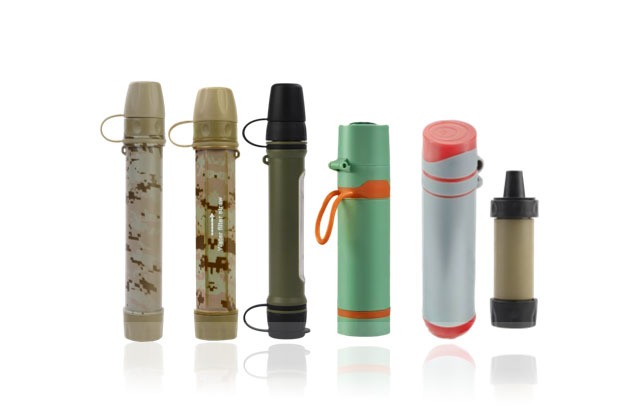
That’s where the personal water filter straw steps in. This compact tool lets you drink safely from any source, no matter where you are. It’s light, easy to pack, and a game-saver for adventurers. In this guide, we’ll break down how these straws work, their best uses, and tips to pick the right one. You’ll see why they’re must-haves for hikes, emergencies, or trips abroad.
Understanding the Science Behind the Straw
Personal water filter straws turn dirty water clean in seconds. They rely on smart tech to block out germs without extra steps. Let’s dig into the details.
How Do Personal Water Filter Straws Work?
These straws use hollow fiber membranes as their main trick. Tiny tubes inside pull water through walls with pores just 0.1 microns wide. Harmful stuff gets trapped while clean water flows out when you suck.
Unlike chemical drops that need time to kill bugs, or UV lights that require batteries, a filter straw acts fast. No waiting around. For folks searching “hollow fiber membrane water filter straw,” this tech stands out for its simple, reliable design. It filters as you drink, straight from a puddle or river.
Filtration Effectiveness: What They Remove (and What They Don’t)
Most personal water filter straws handle particles down to 0.2 microns. That means they block 99.9999% of bacteria like E. coli and 99.9% of protozoa such as Giardia. Lab tests from groups like the EPA back these numbers, showing safe results for common threats.
They won’t catch viruses, though—those are too small. Nor do they remove chemicals or heavy metals. Pair one with boiling for full protection in sketchy spots. Still, for everyday risks in nature, they excel at slashing illness odds.
Lifespan and Flow Rate Metrics
A good straw lasts 100 to 1,000 gallons, depending on the model. That’s months of use on long trips. Dirtier water shortens life, so clean sources help.
Flow rate matters too. Top ones push 1 to 2 liters per minute. In a pinch, like after a quake, quick flow keeps you hydrated without frustration. Slower models work for calm sips but drag in groups.
Top Use Cases for Personal Water Filter Straws
From trails to tough spots, these straws fit many needs. They beat lugging gallons of water. See how they shine in real life.
Essential Gear for Outdoor Enthusiasts
Backpackers love personal water filter straws on long treks. Carrying extra weight kills the fun, especially uphill. With a straw, you sip from streams along the way and stay light.
On the Appalachian Trail, hikers swear by them. One guy I read about filtered creek water daily for 2,000 miles—no tummy troubles. For camping, they’re perfect. Set up by a lake, drink clean, and skip the boil hassle. If you’re into thru-hiking the Pacific Crest Trail, add one to your pack now.
Emergency Preparedness and Disaster Relief
When pipes break in a flood or quake, tap water turns risky. A personal water filter straw in your 72-hour kit saves the day. It lets you use rainwater or puddles right away.
Aid groups hand them out in disasters for a reason. They provide quick access without power or fuel. Store yours in a waterproof bag with your go-bag. Test it yearly to ensure it works when chaos hits.
International Travel and Developing Regions
Tap water abroad can pack surprises. In places like rural Asia or Latin America, it might carry bugs your gut isn’t ready for. A personal water filter straw slips into your pocket, unlike big gravity bags that weigh you down.
Solo travelers pick them for hostels or street vendors. No more bottled water waste. One backpacker shared how it kept her healthy across India—sipping from fountains without worry. For short trips, it’s the smart, green choice.
Features That Define a High-Quality Water Filter Straw
Not all straws are equal. Look for ones built to last and easy to handle. Key traits make the difference.
Material Composition and Durability
Top models use BPA-free plastic that won’t leach chemicals. They resist cracks from drops or freezes. In cold weather, some flex without breaking—vital for winter hikes.
Rubber mouthpieces add comfort and grip. Avoid cheap ones that warp in heat. A sturdy build means it survives rough use, from rocky trails to packed bags.
Ease of Use and Maintenance
Suction feels like a thick milkshake at first, but you get used to it. Backflushing keeps it clean—push water backward through the filter.
Here’s a quick guide:
- Fill a bottle with clean water.
- Attach the syringe or hose.
- Pump a few times until flow clears.
This extends life and boosts speed. At under 2 ounces, they’re super portable. Toss one in your daypack and forget it until needed.
Compatibility and Accessories
Many fit standard bottles like Nalgene. Threaded ends connect to packs or pouches. Some come with extension tubes for deeper sources.
Extras like cleaning kits or carry cases add value. Check if it links to your hydration bladder. This versatility turns a basic straw into a full system.
Comparing Straws to Alternative Personal Filtration Methods
Straws aren’t the only option. But they win in speed and ease for many. Let’s weigh them against others.
Straws vs. Squeeze Bottles and Gravity Filters
Squeeze bottles need you to pump water through a pouch—great for groups, but tiring solo. They filter more volume fast, up to 5 liters quick. Straws shine for one-person drinks, no setup.
Gravity filters drip clean water from a bag—slow but hands-free. For a family camp, they’re ideal. A straw suits quick sips on the move, with less effort overall. Pick based on your group’s size and pace.
When to Choose a Straw Over Chemical Treatment (Iodine/Chlorine)
Chemicals like iodine kill germs but take 30 minutes to work. They leave a bad taste and miss some cysts. Health experts from the CDC say wait full time for safety.
A personal water filter straw gives instant clean water with better flavor. No aftertaste or wait. Use chemicals as backup for viruses, but straws handle most trail threats better.
Selection Checklist and Buying Considerations
Picking the right personal water filter straw avoids regrets. Focus on proven quality over hype. Here’s how to shop smart.
Verifying Filtration Standards and Certifications
Skip brands without tests. Look for NSF/ANSI 53 or 42 certs—they prove germ removal. EPA guidelines match these for trust.
Manufacturer claims often overstate. Third-party labs ensure your “hollow fiber water purifier straw” delivers. Read reviews from real users too.
Budgeting for Reliability
Cheap straws under $10 break fast or clog quick. Spend $20-40 for 300+ gallon life. That saves money long-term—no constant buys.
Value comes from durability and ease. Test one in clean water first. Reliable picks pay off in peace of mind.
Pre-Purchase Inspection: What to Check Before Buying
Use this checklist:
- Micron rating: Aim for 0.1-0.2 for best protection.
- Warranty: At least one year covers defects.
- Cleaning tool: Syringe included? Essential for upkeep.
- Weight and size: Under 3 ounces, fits in palm.
Match specs to your needs, like trail length. Buy from spots with returns if it flops.
Conclusion: Securing Your Water Source Wherever Adventure Takes You
Personal water filter straws offer portability you can’t beat. They’re reliable against key germs and give instant access to safe hydration. From hikes to emergencies, they keep you going strong.
Grab one today for your next outing or kit. Whether you’re a trail runner or prepper, this tiny tool packs big protection. Stay hydrated, stay safe—your adventures depend on it.