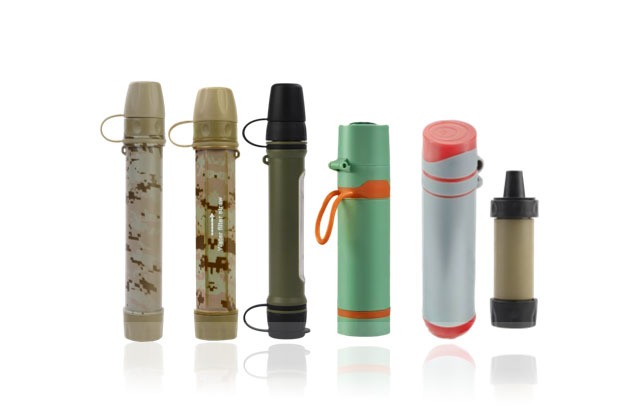
If you are planning a backcountry trek, surviving in a remote village, or simply need reliable filtration for emergencies, you face one critical question: which portable water filter actually delivers safe, clean water without compromising your mobility? The answer depends entirely on your specific environment and threat profile. You need a device that removes pathogens instantly, lasts for thousands of liters, and fits in your pack without adding unnecessary weight. This guide breaks down the top-performing portable water filters, comparing their filtration technology, durability, and real-world performance so you can choose the system that matches your needs.
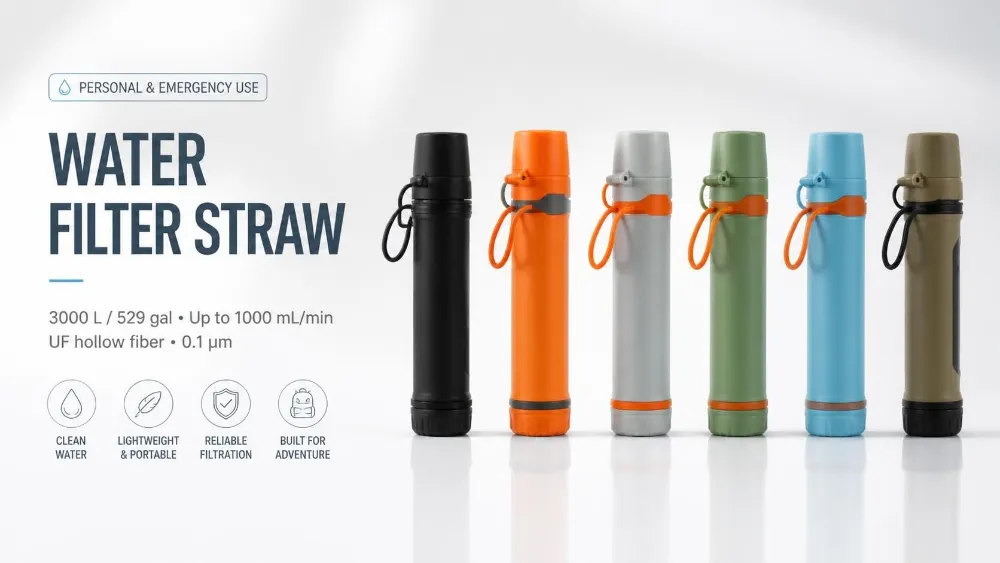
Understanding Filtration Technologies for Active Travel
Before selecting a filter, it is essential to understand what you are filtering against. Most portable filters target bacteria, viruses, and protozoa. Bacteria are the most common threat in untreated surface water, while viruses pose a higher risk in areas with poor sanitation. Protozoa, such as Giardia and Cryptosporidium, have sturdy cysts that many simple filters miss.
When evaluating the best portable water filters for clean drinking water on the go, look for three key metrics: Total Filtration Capacity, Pore Size, and Media Type.
- Hollow Fiber Membrane: The industry standard for high-flow, low-maintenance filtering. These cartridges block particles physically based on size. They are highly durable but can clog quickly in silty water.
- Ceramic Elements: Often used for pre-filtration or in specific travel setups. Ceramic filters are excellent for harsh environments but are fragile and require periodic sterilization by boiling.
- UV-C LED Technology: Does not filter but neutralizes pathogens by disrupting their DNA. Best paired with a mechanical pre-filter. UV devices are battery-dependent, which is a drawback in remote areas.
- Activated Carbon: Removes taste, odor, and some chemical impurities like chlorine. It does not remove pathogens on its own, so it is usually combined with membrane filtration.
For most outdoor enthusiasts, a physical membrane filter with a pore size of 0.1 to 0.2 microns is the sweet spot. It removes 99.99% of bacteria and protozoa without the need for pumping or battery power.
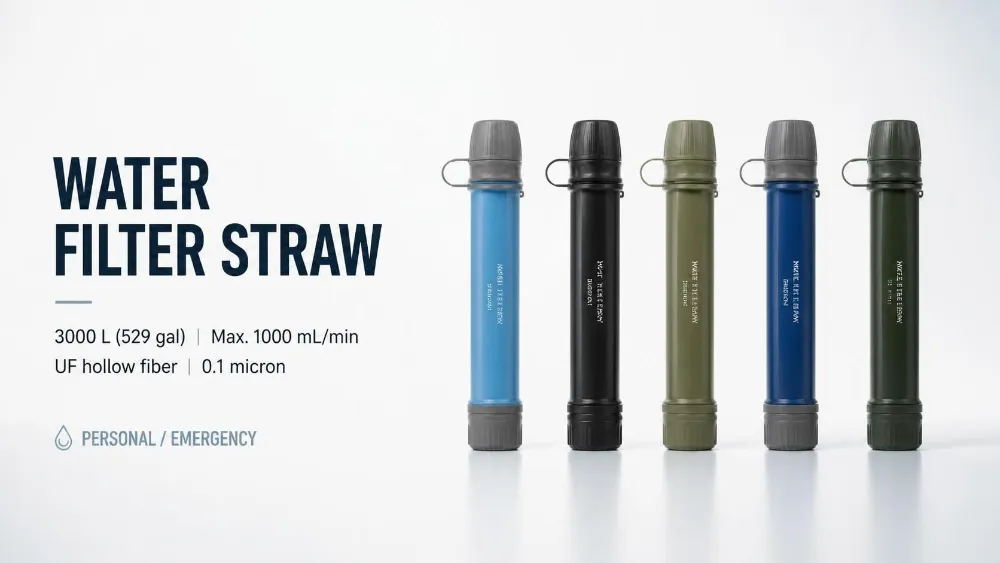
Top Portable Water Filter Systems Compared
The market offers several distinct form factors: straw filters, squeeze bottles, gravity bags, and squeeze-pump systems. Each has trade-offs in speed, capacity, and ease of use. Below is a detailed comparison of the leading technologies currently dominating the field.
| Feature/Model | Sawyer Squeeze | Katadyn Hiker Pro | LifeStraw Go | Grayl Geopress |
|---|---|---|---|---|
| Weight | 2.6 oz (74 g) | 10.6 oz (300 g) | 2.4 oz (68 g) | 12.0 oz (340 g) |
| Flow Rate | ~1 L/min | ~2.5 L/min | ~0.5 L/min | ~2 L/min |
| Lifetime Capacity | Unlimited (backflushable) | 40,000 L | 100 L (replace cartridge) | 100 L (replace cartridge) |
| Filtration | Hollow Fiber (0.1 μm) | Hollow Fiber + UV | Hollow Fiber (0.1 μm) | HPPS+ Membrane |
| Chemical Removal | No | No | No | Yes (Carbon+Hollow Fiber) |
| Best Use Case | Backpacking/Hiking | Camping Groups | Urban/Travel | Contaminated Areas |
Note: “Unlimited” lifetime for Sawyer refers to the fact that the membrane can be backflushed indefinitely as long as it does not rupture. Other filters have a finite lifespan based on the number of liters processed.
Critical Performance Parameters to Check
When browsing product listings, ignore the marketing buzzwords and focus on these specific technical specifications. A “good” filter must meet or exceed these benchmarks:
- Pore Size Rating: Must be 0.1 microns or smaller to guarantee removal of viruses. Many standard filters stop at 0.2 microns, which is sufficient for bacteria and protozoa but not viruses. If you are traveling in regions with viral waterborne diseases (like Hepatitis A or Norovirus in developing nations), you need a sub-0.1 micron filter or a combination of filtration and chemical treatment.
- Filter Lifespan: Look for filters that offer a “lifetime” warranty on the membrane, such as the Sawyer or Katadyn brands. Disposable filters, while cheap, become costly over time and create plastic waste.
- Freeze Tolerance: If you are in cold climates, ensure the filter can withstand freezing. Many plastic housings crack if water freezes inside the filter. Brands like Katadyn and Aquamark explicitly design their housings to expand slightly when frozen, preventing rupture.
- Backflushing Capability: In muddy or silty environments, sediment clogs the filter media. A built-in backflush feature allows you to force water backwards through the filter to clear the clog, extending the operational life of the unit.
- Pre-Filter Integration: The best systems include a mesh pre-filter to catch large debris like leaves and insects before they enter the membrane. This prevents clogging and improves flow rate.
Practical Use Cases and Real-World Performance
Choosing the right filter is not just about specs; it is about workflow. How do you integrate the filter into your daily routine?
The Backpacker’s Setup
For solo hikers, weight is the primary constraint. The Sawyer Squeeze remains the gold standard. It weighs under 100 grams, fits in a pocket, and provides fast flow when attached to a Nalgene bottle. The downsides are that it does not remove taste or odor (chlorine or tannins), and you cannot backflush it while attached to a bottle without disassembling. However, for reliable bacterial and protozoan removal, it is unbeatable in value.
The Family or Group Camp
When drinking for more than two people, squeeze filters become time-consuming. The Katadyn Hiker Pro or the Platypus GravityWorks systems are superior. Gravity systems hang a bag of dirty water and dispense clean water through a hose. The flow is passive and fast, making it ideal for filling a base camp with liters of water. These systems are heavier, but the convenience factor outweighs the penalty for groups.
The Urban Traveler and Contaminated Zones
In cities with poor water sanitation, you face viruses and chemicals that mechanical filters alone may not address. The Grayl Geopress or LifeStraw Pocket offer a better solution. These devices combine hollow fiber membranes with chemical treatment layers (like hydrogen peroxide or UV) to neutralize viruses. For the LifeStraw Go, you push a button to activate the UV-C lamp, which works in seconds. This is the safest option for travelers in Southeast Asia, South America, or Sub-Saharan Africa where viral infections are a risk.
Maintenance and Longevity Tips
Even the best portable water filters for clean drinking water on the go will fail if you ignore basic maintenance.
- Flush After Every Use: Never let a filter dry out. A dry membrane can crack or become brittle. If you must store it dry, soak it in clean water for 10 minutes before re-sealing.
- Backflush Regularly: For clog-prone environments, backflush the filter daily. This involves using the included syringe or reverse-push mechanism to force water out through the input side, dislodging trapped sediment.
- Check for Cracks: Before every trip, visually inspect the housing and tubes. A hairline crack can allow unfiltered water to bypass the membrane.
- Replace Media When Needed: Even “lifetime” filters have a physical limit. If flow rates drop significantly and backflushing does not improve them, the media is likely degraded. Replace the cartridge according to the manufacturer’s schedule.
FAQ
Q: Can a portable water filter remove microplastics?
A: Most standard hollow fiber filters with a 0.1-micron pore size will trap visible microplastic particles. However, they are not designed to remove dissolved microplastics or nanoplastics. For comprehensive chemical and microplastic removal, look for filters with activated carbon layers, such as the Grayl or certain LifeStraw models, which adsorb some chemical compounds.
Q: How do I know when it’s time to replace my filter cartridge?
A: Monitor the flow rate. If water passes through slowly despite a clean pre-filter, the media is clogged. If backflushing does not restore flow, the membrane is saturated. Most manufacturers provide a “liters filtered” indicator or recommend replacing the cartridge after 50 to 100 liters, depending on water clarity. Always keep one spare cartridge in your gear as a backup.
Q: Are filtered water bottles safe for long-term storage of clean water?
A: No. Once filtered water is in a sealed container, it can become a breeding ground for bacteria if not consumed quickly. The filter prevents ingestion of pathogens from the source, but it does not sterilize the water for indefinite storage. If you need to store water for more than 24 hours, use a UV purifier on the clean water or keep it in a cool, dark place and consume it promptly.
Choose Your Reliable Water Source Today
Do not leave your hydration to chance. Whether you are trekking through the Andes or preparing for an emergency kit, a reliable filtration system is non-negotiable gear. Review the specifications above to match your specific threat profile—whether it’s bacteria in a mountain stream or viruses in a city tap. To get a precise recommendation based on your exact destination and pack size, contact our outdoor gear specialists for a free consultation. We can help you select the perfect filtration setup and ensure you have the right supplies for your next expedition. Request a quote or speak with an expert today to secure your safe supply of clean drinking water.