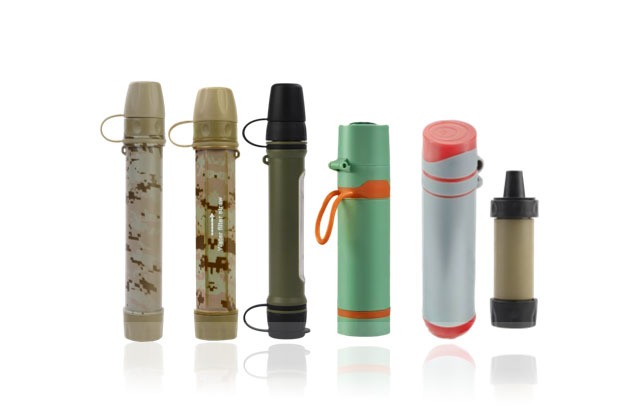
A water filter straw is a portable device, like the popular LifeStraw, that allows you to drink safely from contaminated sources by filtering out bacteria, parasites, and microplastics as you sip, making it ideal for hiking, travel, and emergencies by removing harmful pathogens without chemicals or batteries. These straws use hollow fiber membranes and sometimes activated carbon to purify water, though some models require blowing out water after use or have slower flow rates, while newer stainless-steel versions offer added portability and style.
How It Works
- Sip from Source: Place one end in a water source (lake, stream, bottle) and suck from the other end like a normal straw.
- Filtration: Water passes through a fine membrane, trapping bacteria (like E. coli) and parasites (like Giardia) down to 0.2 microns, and sometimes viruses or microplastics depending on the model.
- Clean Water: Filtered, safe water is delivered to your mouth.
- Post-Use: After use, you might need to blow air through it to clear remaining water and allow it to dry before storing.
Key Features & Types
- Personal Filters (e.g., LifeStraw, Survivor Filter): Lightweight, portable straws for individual use, great for backpacks and emergency kits.
- Reusable Straws (e.g., LifeStraw Sip): Stainless steel, often includes a case, designed for everyday use in various environments.
- Bottle Attachments: Some filters fit standard bottle threads for easier filling.
This video provides a review of the LifeStraw Peak Series filter:
Pros & Cons
- Pros: Lightweight, eliminates pathogens, no chemicals/batteries, long filter life (often 1,000+ gallons).
- Cons: Can be slow or require effort to suck, can’t filter and store large batches, traditional models require spitting initial sips.
Imagine you’re deep in the woods on a solo hike. Your water bottle runs dry, and the nearest stream looks murky. Without clean water, dehydration hits fast, turning a fun adventure into a real risk. A water filter straw changes that. It’s a small tool that lets you sip safe water straight from the source. No boiling or bulky gear needed. This guide breaks down what a water filter straw is, how it works, and why it belongs in your pack for hikes, trips abroad, or emergency kits.
Defining the Water Filter Straw: More Than Just a Tube
A water filter straw looks like a simple tube, but it’s built for tough jobs. You can slip it into your pocket or clip it to your belt. It filters dirty water as you drink, turning potential hazards into safe sips. These devices weigh just ounces and measure about 9 inches long. They’re perfect for on-the-go use where space and weight matter most.
Core Components and Design
Most water filter straws have three main parts. The mouthpiece sits at one end, soft and easy to use. A sturdy casing wraps around the filter cartridge in the middle. That cartridge holds the magic that cleans the water. Builders use BPA-free plastic to keep it safe and light. The outside stays rugged to handle drops and rough handling. Some models add a bite valve to stop leaks during your carry.
Distinguishing Straws from Other Portable Filters
Water filter straws stand out from other tools. Gravity filters need bags and time to drip clean water down. Squeeze bags push water through by hand, good for filling bottles but slow. Pump filters require effort to operate, like old bike pumps. The big edge of a straw? You suck water right through it. No setup or extra steps. It’s instant access to filtered hydration.
Who Benefits Most from Filter Straws?
Backpackers love them for light loads on long trails. International travelers grab one for sketchy taps in far-off spots. Emergency preppers stock up for blackouts or disasters. Humanitarian aid workers rely on them in remote areas with bad water. Even campers use them for quick stream drinks. If you face uncertain water sources, this tool fits your needs.
The Science Behind the Suction: How Water Filter Straws Function
Water filter straws clean water through smart tech. You create pull with your mouth to draw liquid in. Tiny barriers inside block germs without chemicals. This process keeps things simple and reliable. Let’s dig into the details so you see why it works so well.
Hollow Fiber Membrane Technology
At the heart is hollow fiber ultrafiltration. Think of thousands of thin tubes bundled together. Each fiber has walls with pores just 0.1 or 0.2 microns wide. That’s smaller than most bacteria. Water flows through, but pathogens get trapped outside. Bacteria like E. coli can’t pass. Protozoa such as Giardia bounce off too. It’s like a sieve that catches the bad stuff while letting clean water slip by.
Addressing Chemical and Biological Contaminants
These straws tackle biological threats head-on. They remove 99.99% of bacteria and protozoa. That means goodbye to Giardia and Cryptosporidium, common in wild streams. But they skip viruses, which are tinier. Heavy metals or farm chemicals stay in too. Some advanced models add activated carbon to cut tastes and odors. Still, for full protection, pair it with other methods if chemicals lurk. Check the model to know its limits.
The Role of Suction Pressure
Suction is key to the flow. When you sip, your mouth drops the pressure inside the straw. This pulls water from the source across the membrane. The difference in pressure forces liquid through the tiny pores. It’s basic physics, like sucking soda through a straw. Human lungs provide enough pull without fancy pumps. Just a few seconds of effort, and clean water hits your lips.
Key Performance Metrics: Evaluating a Water Filter Straw
Picking the right water filter straw means checking specs. Not all perform the same. Look at how long it lasts and how fast it flows. Certifications add trust. These numbers help you choose one that matches your adventures.
Lifespan and Throughput Volume
Most straws handle 100 to 1,000 liters before replacement. That’s up to 264 gallons for top models. Rated capacity means the amount until clogs slow it down. Sediment builds up over time. Track your use to swap it out right. A good one pays for itself in safe water over many trips.
Flow Rate Performance
Expect 1 to 3 liters per minute from a fresh straw. That’s quick for personal use. Murky water with dirt cuts that speed. Clear streams flow better than muddy ponds. Test it at home first to feel the pull. Slower rates mean more effort, so pick based on your sources.
Certifications and Testing Standards
Look for NSF/ANSI 53 or 42 marks. These test for cyst and particle removal. EPA guides help too, though not all portables meet them. Third-party labs prove claims. Brands like LifeStraw or Sawyer often pass these. Certified means real protection, not just promises.
Practical Application: Using Your Filter Straw Correctly
Get the most from your straw by using it right. Start with smart choices at the source. Follow steps for drinking and care. This keeps you safe and the tool working.
Sourcing Water Safely (Pre-Filtration Tips)
Pick moving water over still ponds. Streams carry fewer germs than lakes. Scoop from deeper spots to skip surface scum. Use a cloth over the intake for extra grit catch. Avoid areas near farms or roads. These steps cut clogs and boost filter life.
Proper Sucking Technique and Maintenance
Prime new straws by sucking air out first. Water should flow after a few pulls. Sip steady, like through a thick milkshake. Don’t touch the mouthpiece to dirty hands. Rinse it after each use with clean water. Store it dry to fend off mold.
Essential Post-Use Cleaning and Storage
Backflush with a syringe of clean water to clear debris. Do this after every outing. Flush the inside too if the model allows. Never let it freeze—ice cracks the fibers. Keep it in a warm pack during cold hikes. Dry storage prevents bacteria growth between uses.
Advantages and Limitations in the Field
Water filter straws shine in tight spots. But they’re not perfect for every job. Know the upsides and downs to pick wisely.
Strengths: Portability and Immediate Access
They’re feather-light, under 2 ounces often. No setup means you drink on the move. Picture quenching thirst from a trail creek without pause. Groups share one easily for quick needs. It’s pure convenience for solo explorers.
Limitations: Volume and Contaminant Removal Gaps
Straws suit one person at a time. Filling pots for meals takes forever. Viruses slip through, a issue in some global spots. Chemicals from runoff stay put. For teams or polluted areas, grab a bigger system.
Troubleshooting Common Issues
Flow slows? Clogs from silt are common. Backflush right away. If it’s stubborn, soak in vinegar water overnight. Leaks mean check seals. Replace if damaged. Simple fixes keep it reliable.
Conclusion: Lightweight Insurance for Hydration Security
A water filter straw offers quick, portable clean water when you need it most. It blocks key germs with hollow fibers and easy suction. Remember its strengths in the wild, but mind limits on viruses and bulk use. Maintain it well—backflush often and shield from freezes. Add one to your gear today. Safe sips could save your day out there.