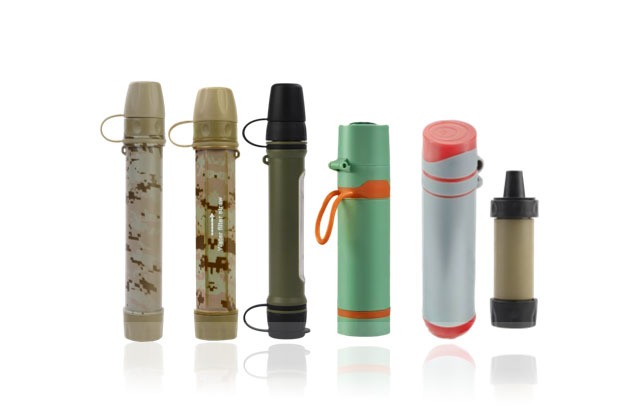
In today’s world, where environmental consciousness is becoming a priority, every small step counts. Our daily habits, including how we stay hydrated, can have a significant impact on the planet. Single-use plastic bottles have long been a major contributor to global plastic pollution, littering oceans, clogging landfills, and harming wildlife. As outdoor enthusiasts, travelers, and even urban dwellers seek sustainable alternatives, water filter straws have emerged as an effective and eco-friendly hydration solution.
This comprehensive guide explores the environmental impact of water filter straws, how they help reduce plastic waste, and why integrating these devices into your hydration routine can contribute to a more sustainable future. We’ll also cover their benefits, challenges, and provide actionable tips for making greener choices while staying safely hydrated.
The Plastic Waste Problem: Why It Matters
Plastic pollution is one of the most pressing environmental crises of our time. According to the United Nations Environment Programme, over 300 million tons of plastic are produced annually, and a significant portion ends up as waste in natural ecosystems. Single-use plastic water bottles alone account for more than 20 billion bottles discarded each year worldwide, with only a fraction recycled properly.
These plastic bottles take hundreds of years to decompose, breaking down into microplastics that infiltrate soil, waterways, and food chains. The consequences are profound, threatening marine life, contaminating drinking water, and affecting human health.
How Water Filter Straws Help Reduce Plastic Waste
Water filter straws present a practical alternative to disposable plastic bottles, especially for people who rely on bottled water for convenience or safety reasons. Here’s how they contribute to reducing plastic waste:
1. Encouraging Reusable Hydration
Instead of buying bottled water on every outing or trip, a water filter straw allows you to safely drink from natural water sources like rivers, lakes, and streams. This reduces reliance on single-use bottles, minimizing the number you purchase and discard.
2. Lightweight and Portable
Water filter straws are compact and lightweight, making them easy to carry along with reusable bottles or hydration packs. Their portability encourages users to refill sustainably instead of opting for bottled water when access to clean water is limited.
3. Extending the Life of Reusable Bottles
Pairing a water filter straw with a reusable bottle means you can refill from various sources without worrying about water quality. This synergy promotes long-term use of reusable containers, which cuts down the production and disposal of plastic bottles.
Environmental Benefits Beyond Plastic Waste Reduction
Water filter straws not only help reduce plastic waste but also offer broader environmental advantages:
Reduced Carbon Footprint
The production, transportation, and disposal of single-use plastic bottles contribute significantly to greenhouse gas emissions. Manufacturing one plastic bottle requires approximately 3 liters of water and emits 2.5 pounds of CO2. By using a reusable water filter straw, individuals directly reduce the demand for bottled water and its associated carbon footprint.
Decreased Ocean Pollution
Ocean ecosystems suffer tremendously from plastic debris. Sea turtles mistake plastic bags for jellyfish, and seabirds ingest small plastic pieces, often with fatal consequences. By cutting down bottled water consumption, water filter straws help alleviate this pressure on marine environments.
Conservation of Freshwater Resources
Producing bottled water consumes massive amounts of freshwater, often from regions already facing water scarcity. By filtering and purifying local water sources on demand, water filter straws encourage more responsible water use and conservation.
Are Water Filter Straws the Ultimate Eco-Friendly Solution?
While water filter straws provide many environmental benefits, they are not without challenges. To fully understand their environmental impact, let’s explore the pros and cons.
Pros
- Durability and Longevity: Most filter straws can purify hundreds to thousands of liters of water before needing replacement, reducing waste from frequent disposables.
- Minimal Packaging Waste: Unlike bottled water, which often comes with plastic shrink-wrap and labels, water filter straws generate little packaging waste.
- Encourages Sustainable Behavior: Using a water filter straw promotes environmental awareness and a culture of reusability.
Cons
- Filter Cartridge Waste: The filter elements eventually wear out and need replacement, creating some waste. However, many manufacturers now offer recyclable or biodegradable filter components.
- Plastic Components: Many filter straws are made from plastic or plastic composites, which, if discarded improperly, can contribute to pollution. Choosing models made from BPA-free, recyclable, or biodegradable plastics can mitigate this.
- Energy and Resource Use in Manufacturing: The production of any device requires energy and raw materials, so it’s important to select high-quality, durable products to maximize environmental benefits.
How to Maximize the Environmental Benefits of Your Water Filter Straw
1. Choose Durable, Long-Lasting Models
Invest in water filter straws known for their longevity and robust construction. The longer your device lasts, the fewer replacements you’ll need, which translates to less waste.
2. Properly Dispose of or Recycle Filter Components
Research manufacturer instructions for filter disposal and explore local recycling options. Some brands offer mail-back programs or biodegradable filters to reduce landfill contributions.
3. Pair Your Filter Straw with a Reusable Bottle or Hydration Pack
This combination drastically cuts down single-use bottle consumption. Always carry your own reusable container to refill with filtered water.
4. Educate Others on Sustainable Hydration
Sharing your positive experiences with water filter straws can inspire friends and family to adopt similar eco-friendly habits.
Case Study: Outdoor Enthusiasts Leading the Way
Consider the growing community of hikers, campers, and travelers choosing eco-friendly water filter straws. With increasing awareness of plastic pollution’s impact on wilderness areas, many outdoor retailers report a surge in sales of lightweight, reusable filtration devices.
Organizations like Leave No Trace emphasize the importance of minimizing plastic waste on trails. Users note that water filter straws not only reduce their environmental footprint but also offer convenience and reliability in backcountry water sourcing.
Comparing Water Filter Straws to Other Hydration Alternatives
| Hydration Method | Environmental Impact | Pros | Cons |
|---|---|---|---|
| Single-Use Plastic Bottles | High plastic waste, landfill overflow, ocean pollution | Convenient, widely available | Disposable, non-biodegradable |
| Reusable Bottles + Filter Straws | Low waste, reduces plastic use | Portable, cost-effective over time | Requires maintenance, initial cost |
| Water Filter Bottles | Medium environmental impact | Integrated solution, easy to use | Heavier than straws, more material |
| Chemical Purification Tablets | Low waste, lightweight | Compact, effective against viruses | Chemical taste, some waste from packaging |
| UV Purifiers | Low waste, effective | Kills viruses and bacteria | Requires batteries, bulkier |
The Role of Corporate Responsibility and Innovation
Several companies manufacturing water filter straws are stepping up to reduce the environmental impact of their products. Innovations include:
- Use of recycled plastics in straw bodies and packaging.
- Biodegradable filter cartridges that break down after disposal.
- Refillable filter systems designed to minimize waste.
- Sustainable manufacturing processes powered by renewable energy.
Supporting brands committed to sustainability amplifies the positive environmental effects of your purchase.
Staying Hydrated While Protecting Our Planet
Water filter straws offer a compelling way to reduce plastic waste without sacrificing convenience or safety. By opting for reusable, portable filtration systems, individuals make a tangible difference in the fight against plastic pollution. The environmental benefits extend beyond waste reduction, touching on carbon emissions, water conservation, and ecosystem health.
As more people embrace sustainable hydration habits, the collective impact can be transformative. Whether you’re hiking a local trail, traveling abroad, or preparing for emergencies, a water filter straw is a small investment with a big environmental payoff.