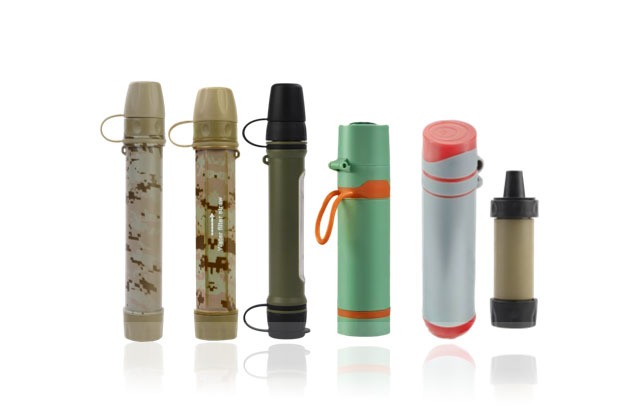
When you’re venturing into the great outdoors, having access to clean, safe drinking water isn’t just a luxury—it’s a necessity. Whether you’re hiking, camping, backpacking, or exploring remote areas, carrying enough purified water can be cumbersome, heavy, and sometimes impossible. This is where water filter straws become indispensable tools for outdoor enthusiasts. Compact, lightweight, and effective, these devices allow you to drink directly from natural water sources while filtering out harmful contaminants.
In this ultimate guide, you’ll learn exactly how water filter straws work, the benefits of using them, and why they should be a staple in your outdoor gear. We’ll also explore the best features to look for, common myths, and provide practical tips for choosing the right filter straw for your adventures.
What Is a Water Filter Straw?
At its core, a water filter straw is a portable filtration device designed to remove bacteria, protozoa, and sediment from natural water sources such as rivers, lakes, or streams. Unlike traditional water bottles or bulky filtration systems, these straws are compact enough to fit in your pocket, making them ideal for solo hikers, survivalists, or travelers on the move.
You simply place the straw’s intake end into the water source and sip through the mouthpiece. As you draw water, it passes through a series of microscopic filters inside the straw that trap harmful particles and pathogens, delivering clean, safe water directly to you.
How Does a Water Filter Straw Work?
Understanding the technology behind water filter straws helps you appreciate their value and limitations. Most filter straws use hollow fiber membrane technology, activated carbon, or a combination of both:
- Hollow Fiber Membrane: This is a microscopic filter consisting of thousands of tiny pores, typically between 0.1 and 0.2 microns in diameter. These pores are small enough to block bacteria (such as E. coli and Salmonella), protozoa (like Giardia and Cryptosporidium), and particulate matter. When you sip water through the straw, contaminants get trapped on the membrane surface, while clean water passes through.
- Activated Carbon: Some filter straws include activated carbon elements designed to improve taste and reduce chemicals, chlorine, and volatile organic compounds (VOCs). This is especially useful when drinking from treated municipal sources or water that has an unpleasant odor.
Together, these filtration methods create a reliable barrier against most common waterborne threats encountered in the wild.
Why Should You Use a Water Filter Straw for Outdoor Adventures?
The benefits of carrying a water filter straw extend beyond convenience:
1. Lightweight and Portable
Traditional water filters or carrying large volumes of bottled water can add significant weight to your pack. Water filter straws typically weigh less than 3 ounces, making them easy to carry without compromising your gear weight.
2. Access to Clean Water On-Demand
Whether you’re hiking through remote trails or camping off-grid, having the ability to drink directly from streams or lakes means you don’t have to carry all your water with you. This extends your range and reduces the risk of dehydration.
3. Cost-Effective and Environmentally Friendly
Using a reusable filter straw reduces the need for single-use plastic water bottles, helping minimize environmental impact. Over time, this also saves money compared to buying bottled water or disposable filtration kits.
4. Emergency Preparedness
Water filter straws are essential components of any survival kit. In emergency situations, when access to potable water is limited or contaminated, these devices provide a reliable means to stay hydrated and healthy.
Common Contaminants Water Filter Straws Remove
Most water filter straws are designed to remove the following pathogens and impurities:
- Bacteria: Including E. coli, Salmonella, and Cholera.
- Protozoa: Such as Giardia lamblia and Cryptosporidium parvum.
- Sediment and Dirt: Suspended particles that can cloud water or cause illness.
- Chlorine and Chemical Tastes: In filters with activated carbon.
However, it’s important to note that most standard water filter straws do not remove viruses, heavy metals, or dissolved chemicals unless explicitly stated. For viral protection, you may need a purifier or additional treatment methods like chemical tablets or UV sterilization.
Who Should Use Water Filter Straws?
Water filter straws are ideal for:
- Backpackers and hikers looking to reduce pack weight.
- International travelers visiting areas with unsafe tap water.
- Emergency preparedness advocates and survivalists.
- Campers and outdoor enthusiasts seeking convenient hydration.
- Military personnel and first responders operating in remote or austere environments.
How to Choose the Right Water Filter Straw: Features to Consider
When selecting a water filter straw, keep these essential features in mind:
Filtration Capacity
This indicates how much water the straw can filter before needing replacement or maintenance. Some straws filter about 1,000 liters (264 gallons), while premium models can handle up to 100,000 gallons. Choose based on how frequently and intensely you expect to use the device.
Filtration Efficiency
Look for straws that remove at least 99.9999% of bacteria and protozoa. Those with activated carbon or multi-stage filtration provide better taste and chemical removal.
Flow Rate
A faster flow rate means less effort when drinking. Some filter straws require strong suction, which can be tiring on long hikes. Research models that balance filtration power with ease of use.
Weight and Size
If ultralight packing is a priority, look for the smallest and lightest options available without compromising filtration.
Ease of Cleaning and Maintenance
Filters clog over time. A straw with an easy backflush system or cleaning plunger will last longer and perform better.
Durability and Build Quality
Straws made from tough, BPA-free materials withstand outdoor conditions better and last longer.
Common Myths and Misconceptions About Water Filter Straws
Myth 1: All Water Filter Straws Remove Viruses
Most water filter straws do not remove viruses due to their small size. If you’re traveling in areas with potential viral contamination, look for purifiers or combine filtration with chemical disinfection.
Myth 2: Water Filter Straws Work Like Bottled Water
While filter straws improve safety, they don’t change the water’s mineral content or hardness. The taste may vary depending on the water source.
Myth 3: You Can Use Any Water Source
Avoid stagnant or heavily polluted water. Even the best filter straws can clog quickly or become ineffective with water containing chemicals or heavy metals.
How to Properly Use and Maintain Your Water Filter Straw
- Always use the straw with the intake end submerged in clean flowing water when possible.
- Avoid sucking up mud or sand as it can clog filters.
- Backflush regularly as per manufacturer instructions to maintain flow rate and filter life.
- Store dry when not in use to prevent mold or bacteria buildup.
- Replace filters as recommended, especially after filtering turbid water.
Comparing Water Filter Straws to Other Portable Water Purification Methods
| Method | Pros | Cons | Best Use Case |
|---|---|---|---|
| Water Filter Straw | Lightweight, portable, easy to use | Does not remove viruses | Hiking, camping, emergencies |
| UV Light Purifier | Kills viruses and bacteria | Requires batteries, slower | Travel, international use |
| Chemical Tablets | Lightweight, inexpensive | Taste unpleasant, longer wait time | Emergency use, backup option |
| Pump Filters | Effective for large volumes | Bulkier, heavier | Base camps, groups |
| Filter Bottles | Convenient, multi-function | Heavier than straws | Day trips, casual outdoor use |
Real-Life Experiences: Why Outdoor Enthusiasts Trust Water Filter Straws
Sarah, an avid backpacker, recalls a trip where she ran out of bottled water halfway through a multi-day hike. Thanks to her lightweight water filter straw, she safely drank from mountain streams, avoiding dehydration and heavy pack loads.
John, a world traveler, uses a water filter straw as his primary hydration tool in countries with questionable tap water quality. It provides peace of mind and reduces his reliance on bottled water, saving money and reducing plastic waste.
Why Every Outdoor Adventurer Needs a Water Filter Straw
Water filter straws are essential tools for anyone serious about outdoor adventures. Their portability, ease of use, and ability to deliver safe drinking water from natural sources make them invaluable companions on the trail, in travel, or during emergencies. Understanding how they work and what features to consider ensures you invest in a reliable product tailored to your needs.
Next time you prepare your outdoor gear, don’t forget to pack a trusted water filter straw—it might just be the difference between thirst and hydration in the wild.